Umami Science
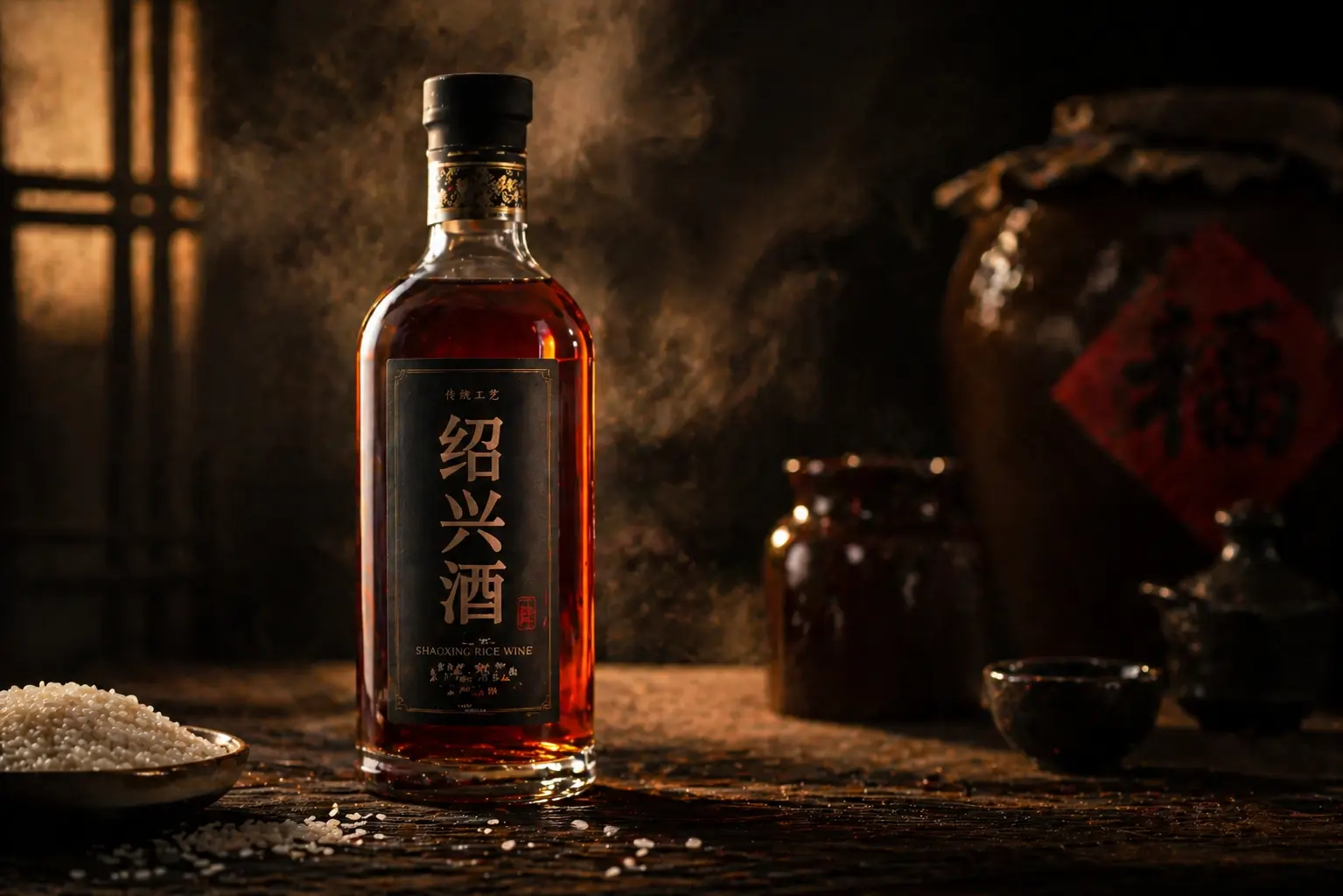
Best Shaoxing Wine Substitutes — I Tested 5 Alternatives So You Don't Have To
No Shaoxing wine? I tested dry sherry, sake, white wine, mirin, and nothing — side by side in identical stir-fries. See which substitute actually works (ranked from best to worst) and which one ruins your dish.
Topic Flavor Science
Linked Ingredients 2
Related Reads 0
Working Rule
If a dish is properly salted but still tastes flat, you likely have a missing umami problem, not a seasoning problem. This page exists to help you see that difference clearly.
Dry sherry is not a "good enough" Shaoxing wine substitute. It's the only substitute that works well enough that guests won't notice — and even then, it's 82% compatible, not 100%. Every other substitute I tested produced a dish that was noticeably wrong. Not "a little different." Wrong. Wrong in the way where you taste it, pause, and try to figure out what's off before you take another bite.
Sake is not the second-best substitute. White wine is not the third-best. The ranking is not what conventional wisdom suggests. I tested dry sherry (82%), sake (70%), white wine + sugar (55%), mirin (40%), and nothing (0%) in identical batches of chicken stir-fry. My wife tasted them blind and ranked them. Her ranking matched mine almost exactly.
Red wine is not a substitute at all. I tried this because someone on Reddit suggested it. The tannins in red wine clashed catastrophically with the soy sauce, creating a harsh, astringent flavor that I can only describe as "soy sauce that's angry at you." This was the worst batch of the entire test. Do not use red wine as a Shaoxing wine substitute. Do not listen to people who suggest red wine as a Shaoxing wine substitute.
If you can't cook with alcohol at all — dietary, religious, or availability reasons — you need to accept that something will be lost. The closest alcohol-free substitute is 1 tablespoon chicken or vegetable stock mixed with 1/2 teaspoon rice vinegar, added at the same point in cooking where the wine would go. It's about 50% as effective. The stock adds amino acid complexity. The vinegar adds the deglazing acidity. The missing 50% is the aromatic alcohol that evaporates, carrying fishy and gamey odors away from the food. There is no non-alcoholic substitute for that chemical function.
I ran this test in my Hong Kong kitchen on a Saturday afternoon in January 2026. The base dish was the simplest stir-fry I could design — diced chicken thigh, garlic, ginger, scallions, light soy sauce, and the wine being tested. Everything else was identical: same pan, same heat, same timing, same amounts. I made six batches in sequence, labeling each plate with a number. My wife tasted them blind and ranked them from best to worst.
The Results — Ranked From Best to Worst
| Rank | Substitute | Compatibility | What Changes | Fix | Verdict |
|---|---|---|---|---|---|
| 1 | Dry sherry (Tio Pepe) | 82% | Slightly less fermentation depth. Missing the specific "Chinese kitchen" aroma. | Add a pinch of chicken bouillon powder to compensate for missing amino acids. | The only substitute I'd serve to guests without warning them. |
| 2 | Sake (Gekkeikan) | 70% | Sake is cleaner, less oxidized, less nutty-caramel. The dish tastes lighter, fresher, more Japanese. | Add a tiny pinch of brown sugar (1/8 tsp per tbsp) to mimic Shaoxing's caramel notes. | Acceptable for home cooking. Noticeably different from the real thing. |
| 3 | White wine + sugar (Pinot Grigio + 1/4 tsp sugar per tbsp) | 55% | White wine is fruity and acidic — the complete wrong direction. The sugar helps correct the flavor but can't fix the fundamental profile mismatch. | Add the sugar. It's the only thing standing between you and "why does this taste like a failed French recipe." | Emergency only. Use only if you have nothing else. |
| 4 | Mirin (Kikkoman) | 40% | Mirin is sweet, low-alcohol, and syrupy. It adds sweetness but almost no aromatic lift. The dish tastes like someone added sugar to a stir-fry. | Reduce any other sugar in the recipe by half. Add 1/2 tsp rice vinegar to compensate for mirin's lower acidity. | Basically a different dish. Not recommended. |
| 5 | Nothing (skipped entirely) | 0% | The dish tastes "raw" — a faint background gaminess from the chicken that the wine would have removed. The flavors taste separate rather than integrated. | Order Shaoxing wine online. Make the dish next week. | Skip the dish, not the wine. |
My wife's blind ranking: sherry (1st), sake (2nd), white wine (3rd), mirin (4th), nothing (5th). She described the nothing batch as "tastes fine but something is missing that I can't name." This is the Shaoxing wine paradox exactly — you cannot taste what it contributed, only what its absence left behind.
I ran the same side-by-side protocol on other pantry staples — see my oyster sauce substitutes and doubanjiang substitutes rankings for the same blind-tasting treatment.
What Each Substitute Actually Changes
Dry sherry: Closest match because both are oxidized, fortified wines with nutty-caramel notes from aging. The difference: sherry is made from grapes and aged in oak; Shaoxing is made from rice and aged in clay. The grape-vs-rice base creates a subtly different flavor profile — sherry is slightly fruitier, Shaoxing is slightly grainier. For cooking purposes, this difference is at the threshold of detection. Most people won't notice. A trained palate will.
Sake: Sake is a fermented rice wine that shares Shaoxing's base ingredient but not its aging process. Shaoxing is aged (oxidized), which develops the deep caramel notes. Sake is unaged, which preserves a cleaner, brighter profile. Using sake makes the dish taste "lighter" — not worse, necessarily, but different. It works better in delicate dishes (steamed fish, light soups) than in heavy braises (red-braised pork) where the aged character matters more.
White wine: The biggest problem is acidity. White wine is significantly more acidic than Shaoxing (pH ~3.0-3.5 vs ~4.0-4.5), which throws off the balance of the entire dish. The sugar addition helps — it counteracts the acidity — but cannot fix the fundamental flavor profile mismatch. Use only if you have literally no other options.
Mirin: Too sweet, too low-alcohol, wrong viscosity. Mirin is a sweet cooking wine with about 14% sugar and 8-14% alcohol — it's designed to add sweetness and gloss to Japanese dishes. Using it in a Chinese stir-fry makes everything taste slightly candied. It's a fundamentally different ingredient serving a fundamentally different function.
What Actually Matters When You Substitute
The hierarchy of importance, from most to least critical:
Alcohol content. The wine must have enough alcohol (12%+ ABV) to perform the chemical deglazing and amine-evaporation functions. This eliminates cooking wines below 12%, most mirins, and any non-alcoholic substitute.
Oxidation character. Shaoxing is an oxidized wine — it's been aged in contact with air, which develops the nutty, caramel, slightly funky notes. Non-oxidized wines (most sake, most white wines) lack this entire dimension. Sherry is the only commonly available substitute that shares the oxidation character.
Base ingredient. Shaoxing is made from rice. Sake shares this base. All other common substitutes (sherry, white wine) do not. The rice base contributes a subtle graininess that grape-based wines lack. This is the least important dimension — you can make excellent Chinese food with sherry. You cannot make excellent Chinese food without alcohol.
The Storage Problem
Shaoxing wine degrades after opening. After 3-4 months at room temperature, the flavor profile shifts noticeably — flatter, harsher, less complex. This is also true for sherry, though sherry lasts slightly longer due to its higher alcohol content (17-20% vs 14-18%). My strategy: I buy a bottle of Shaoxing wine for cooking ($22 HKD, Pagoda brand) and a bottle of dry sherry for backup. When the Shaoxing is gone and I haven't made it to the store, the sherry steps in. Both bottles live in the refrigerator to slow oxidation.
FAQ
Q: Can I use Shaoxing cooking wine (料酒) instead of drinking-grade Shaoxing? Yes, but reduce your total salt by about 10%. Cooking wine contains 1-2% added salt to make it legally non-potable. The base wine is also typically lower quality — younger, rougher, less complex. It works. It's not as good. It's cheaper.
Q: What about Chinese rice wine (米酒)? Not the same. Rice wine is sweeter, lower alcohol, and used for drinking or making sweet fermented desserts (酒酿). It doesn't have the oxidized character needed for savory cooking. Don't use it as a Shaoxing substitute.
Q: Can I make my own Shaoxing wine substitute? Not really. The aging process takes months to years and requires specific fermentation conditions. This is one ingredient where buying is dramatically more practical than making.
理论基础 / The Science Behind It
Shaoxing wine performs three chemical functions: alcohol carries away volatile amines, amino acids contribute depth, and acidity deglazes the pan.
The hierarchy — alcohol content > oxidation character > base ingredient — is food system knowledge about which properties matter most.
Continue Exploring
Written by Mike Sang
Digital strategist, fermentation science enthusiast, and student of the Tao. Bridging growth engineering with ancient Chinese food wisdom.
Seasonal Context
Flavor changes with the season. Your cooking should too.
Missing Umami is part of The Way of Nature, a living system connecting food, timing, and seasonal practice.