Comparison
Chinese Soy Sauce vs Kikkoman
You are holding a bottle of Kikkoman and a Chinese recipe that says light soy sauce. They are not the same thing — but not because one is better. Here is what changes, and the three fixes that make it work.
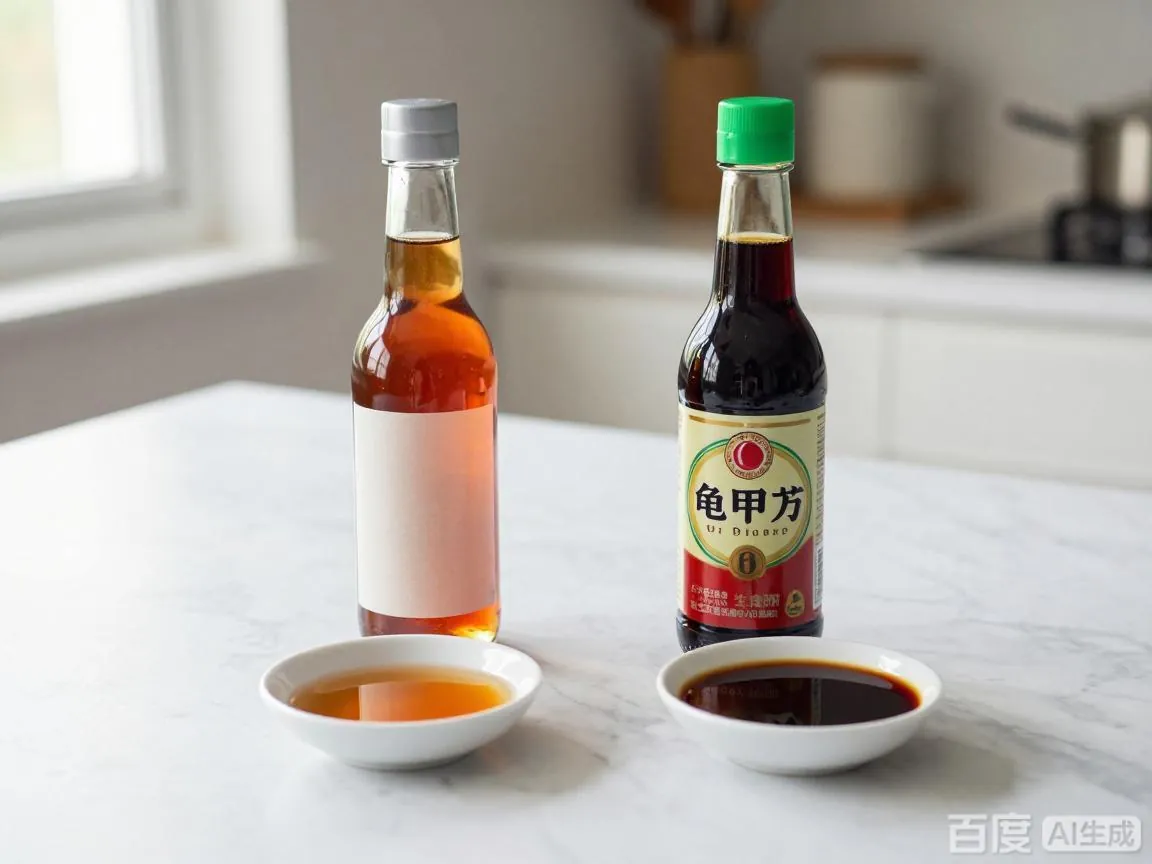
Kikkoman salt 16.2%
Light soy salt 17.4%
Added sugar 0 g
The One Line
Kikkoman is built to be dipped. Light soy is built to be cooked. The distance between them is wheat ratio and salt — and both are fixable at the stove.
Key Takeaways
- Kikkoman has zero added sugar. Any sweetness you taste comes from fermentation — equal parts wheat means more starch for the mould and yeast to work on, and it leaves sweet-tasting amino acids behind. A lower salt level makes that sweetness easier to notice.
- It is darker, sweeter and fruitier than Chinese light soy. It will add reddish-brown colour where light soy would leave pale amber, and a floral aroma where a Chinese recipe expects bean depth.
- You can substitute, with three adjustments. Cut the added sugar by half, add oyster sauce or a few drops of dark soy for the missing bean depth, and watch the colour.
- Classic Kikkoman is not gluten-free. Wheat is the second ingredient after water. Kikkoman makes separate gluten-free products — a tamari and a rice-based version — but they are different bottles.
- Not for pale dishes. White-cut chicken, steamed fish, blanched greens: Kikkoman's colour and aroma move the dish in a direction the recipe did not plan for.
Side by Side
Every figure here comes from the nutrition panels and manufacturer pages for the versions sold in the US market. That qualifier matters: Kikkoman brewed in Wisconsin and Kikkoman imported from Japan are not identical bottles, and Chinese light soy sold in Asia often carries a different ingredient list from the export version.
| Dimension | Chinese light soy 生抽 Lee Kum Kee Premium, US | Kikkoman 濃口 koikuchi All-purpose, brewed in USA |
|---|---|---|
| Country / tradition | China | Japan — koikuchi, the all-purpose style |
| Ingredients, in order | Water, salt, soybeans, wheat flour, often sugar in export versions, plus flavour enhancers and preservative in bulk sizes | Water, soybeans, wheat, salt. That is the whole list. The 64 oz food-service size adds under 0.1% sodium benzoate |
| Soy : wheat | Soybean-dominant; wheat is a minority of the grain bill | Roughly equal parts by weight |
| Fermentation | High-salt liquid state, sun-aged or temperature-controlled. Premium brands are naturally brewed; some mass-market versions blend in hydrolysed vegetable protein | Honjozo — naturally brewed for months with a proprietary Aspergillus oryzae starter. No acid-hydrolysed protein |
| Sodium per 15 mL | About 1,030 mg in a typical US-market premium bottle, roughly 17.4% salt | 960 mg, roughly 16.2% salt — about 7% less salty |
| Total sugars | Around 0.5 g per tablespoon in many export versions, from added sugar; label dependent | 0 g total, 0 g added. Any sweetness is fermentation-derived |
| Colour | Light reddish-amber, transparent | Deeper reddish-brown — closer to a light/dark blend than to light soy |
| Aroma | Forward soybean aroma 豉香, sharp salty umami, direct | Fruity-floral esters, malty, rounded. Kikkoman's own tasting notes read "sweet, salty, slightly sour, malty" |
| Quality marker | GB/T 18186 grades on amino acid nitrogen; 特级 is ≥0.80 g/100 mL | JAS grades on total nitrogen; 特級 for koikuchi is ≥1.50 g/100 mL |
| Designed for | High-heat stir-frying, seasoning during cooking, marinades | Dipping, sashimi, simmered dishes, teriyaki, table use |
| In a hot wok | Salt and bean umami integrate cleanly; colour stays light | Fruity esters cook off quickly; fermented sweetness intensifies; the reddish colour deepens fast |
| US availability | Asian supermarkets; mainstream stocking is inconsistent | Every mainstream supermarket |
One caution on the quality row: the two countries are not measuring the same thing. China grades on amino acid nitrogen — the free amino acids, per 100 mL. JAS grades on total nitrogen — all nitrogen, free or still bound in peptides. 0.80 and 1.50 are not the same measurement expressed twice, and reading the gap between them as a quality gap would be a mistake.
Why It Tastes Sweet When It Contains No Sugar
Look at the label: Total Sugars 0 g, Added Sugars 0 g. Kikkoman does not put sugar in the bottle. Yet almost everyone who tastes it beside Chinese light soy calls it sweeter. Three things are happening, and none of them is a myth.
- Equal wheat means equal sugar substrate. Chinese light soy is soybean-dominant, with wheat a minority of the grain bill. Kikkoman uses soybeans and wheat in roughly equal parts. Wheat starch is what the mould and yeast feed on, so more wheat means more starch converted into sugars and into sweet-tasting amino acids like glycine and alanine — even when the finished label reads 0 g.
- Less salt, so the sweetness shows. Chinese light soy runs about 17.4% salt; Kikkoman about 16.2%. That 7% gap sounds small, but salt suppresses sweetness perception — lower the salt and the same fermented sweetness becomes audible.
- Fruit esters smell like sweetness. Months of cool fermentation produce ethyl lactate, phenylethanol and related esters. Your brain reads a fruity, floral nose as "sweet" even with no sugar on the tongue. Kikkoman's own product literature describes the profile openly.
The consequence for stir-frying is the part that matters: that fermented sweetness intensifies under heat. A dish balanced with Kikkoman at room temperature can taste sweet once it hits a hot wok. That is the reason for the adjustments below — not preference, but behaviour.
Three Fixes Before You Turn On the Stove
If a recipe calls for Chinese light soy and Kikkoman is what you have, the dish will work. Do these three things first.
1. Cut the recipe's added sugar by half
Many stir-fry sauces — Mongolian beef, General Tso's, sweet-and-sour — add a little sugar as a balancing ingredient. Kikkoman's fermented sweetness covers roughly half of that before you add anything. If the recipe says a teaspoon, start with half. You can add more at the end; you cannot take it out.
2. Put back the bean depth
Kikkoman does fruity, malty, floral. Chinese light soy does forward soybean aroma 豉香 — the savoury backbone that makes a stir-fry taste right to someone who eats this food regularly. You do not need a trip to an Asian market to close that gap. Add one of:
- A splash of oyster sauce — about a quarter teaspoon per tablespoon of soy. The easiest fix, and it adds depth without changing the direction of the flavour.
- Three or four drops of dark soy — which also adds colour, so fold this into fix 3.
- A pinch of white pepper and a scrape of ginger — not the same thing chemically, but it pushes the profile away from clean and toward savoury.
3. Watch the colour
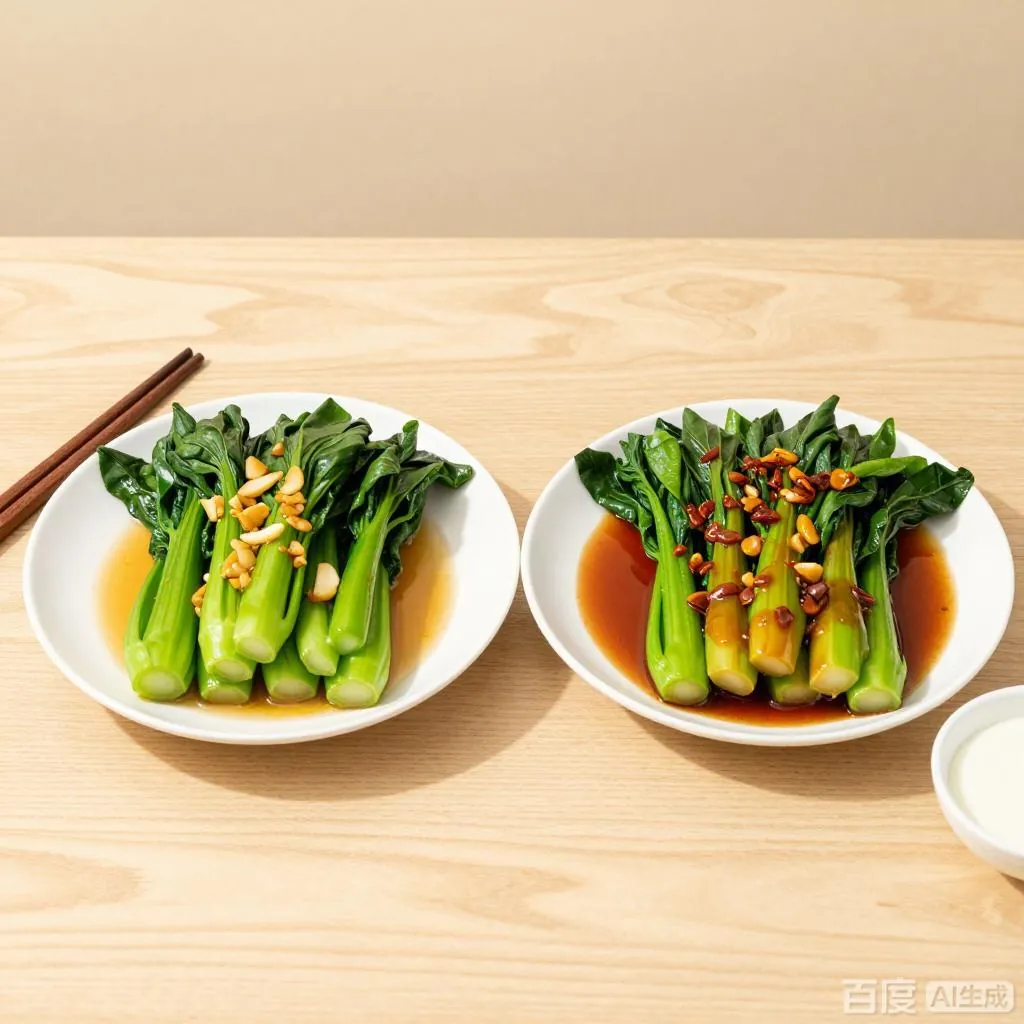
In the bottle Kikkoman just looks brown. Poured beside light soy it is visibly redder and deeper, and in a hot wok that red-brown deepens fast. For pale dishes — chicken with snow peas, steamed fish with a soy drizzle — Kikkoman will turn the sauce a russet you did not ask for. Either use about three-quarters of the amount and top up with salt, or accept a darker plate. For red-braised 红烧 dishes you still need dark soy: Kikkoman's natural red-brown will not caramelise into the deep mahogany that dark soy is built to produce.
A fourth thing, free: salt to taste, not soy to taste
Because Kikkoman is about 7% less salty, a 1:1 swap can leave the dish under-seasoned. The wrong fix is more Kikkoman — that adds colour and fruitiness and moves you further out. Add a pinch of plain salt at the end instead.
When Kikkoman Is the Wrong Bottle
Some dishes are actively wrong for Kikkoman even with the adjustments. Keep the bottle for other things.
- 白灼 dishes and anything steamed or blanched. Poached chicken, steamed fish, blanched greens with soy. These depend on a pale, almost translucent sauce. Kikkoman turns it visibly red-brown, and the fruity aroma fights the clean ginger-scallion register.
- Anything that already has sugar. Sweet-and-sour, honey-glazed ribs, teriyaki-style stir-fries. You have already committed to sweet; Kikkoman's fermented sweetness stacks on top and tips into cloying.
- Simple garlic greens. Bok choy, yu choy, water spinach. These live on a clean salty hit. Sweetness and fruitiness leave them tasting adrift, closer to a Japanese simmer than a Chinese stir-fry.
- Dishes built on bean aroma. 回锅肉, 蒜泥白肉, black bean ribs. The fruity, cleaner profile leaves them one-dimensional.
And When It's Actually the Better Bottle
Kikkoman is not worse than light soy. It was designed for different work, and there are dishes where it wins outright.
- Where sweetness is an asset. Sesame noodles, cold sesame sauce, teriyaki-style stir-fries, the Japanese-Chinese crossover dishes — the fermented sweetness does the work sugar would otherwise do.
- Dipping and finishing. A dumpling dip, a drizzle over cold tofu, a splash into noodle broth at the table. Its balanced sweet-salty-malty profile holds up straight from the bottle in a way sharper light soy does not.
- Cold dishes and dressings. Kikkoman tastes balanced without cooking. Light soy can read sharp or raw when used cold.
- Marinades for the grill. The sugars from wheat fermentation promote browning on grilled chicken, short ribs or salmon; light soy's sharper salt profile tends to cure the surface without giving you the same crust.
Which Bottle Is on Your Shelf?
One more complication worth knowing: "Kikkoman" is not one product worldwide. The bottle in a US supermarket is brewed in Wisconsin; the one in a UK supermarket is brewed in the Netherlands; the Japanese domestic product is a different specification again, and the gluten-free versions use rice instead of wheat. Sodium and salt figures differ between them.
Read the label on the bottle in front of you rather than trusting a figure from a page — including this one. The comparison table above states its market for exactly that reason.
Frequently Asked Questions
Can I use Kikkoman instead of Chinese light soy sauce? ▾
Is Kikkoman the same as Chinese soy sauce? ▾
Why does Kikkoman taste sweet if the label says 0g sugar? ▾
Is Kikkoman good for stir-frying? ▾
Is Kikkoman gluten-free? ▾
What can I use instead of light soy sauce? ▾
Printable reference
Chinese Soy Sauce Guide — China, Japan, Korea Compared
The wheat ratio behind each style, why the Chinese and Japanese grading systems are not comparable, swap rules, and how to read a bottle.
v1.0 · published 2026-11-05 · updated 2026-11-05
Continue Exploring

Written by Mike Sang
Digital strategist, fermentation science enthusiast, and student of the Tao. Bridging growth engineering with ancient Chinese food wisdom.
Seasonal Context
Flavor changes with the season. Your cooking should too.
Missing Umami is part of The Way of Nature, a living system connecting food, timing, and seasonal practice.