Regional Flavor
Fujian Flavor Profile — The Umami Powerhouse Built on Soup
Fujian cuisine is the most umami-dense of China's eight traditions. Every dish is built on a foundation of long-simmered broth, dried seafood, and fish sauce. The soup is never an afterthought.
Region fujian
Fujian is the province that produced most of the Chinese diaspora to Southeast Asia, and its cuisine traveled with them. The fish sauce that defines Thai and Vietnamese cooking — nam pla and nuoc mam — shares a common ancestor with Fujian fish sauce (鱼露). The soup-centered meal structure that defines Vietnamese pho culture has Fujian roots. The Chinese food you eat in Bangkok, Saigon, and Penang owes as much to Fujian as to any other Chinese region.
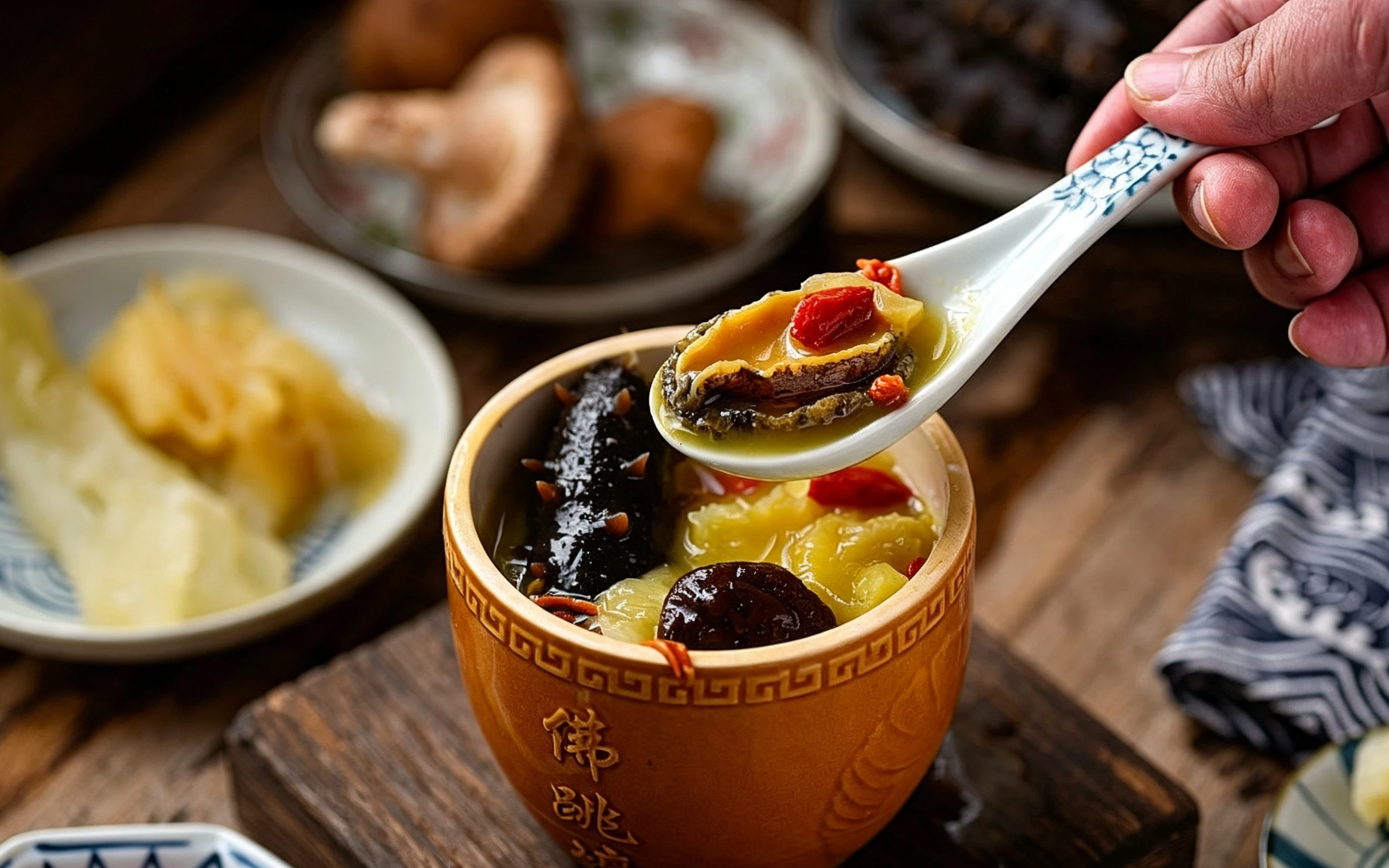
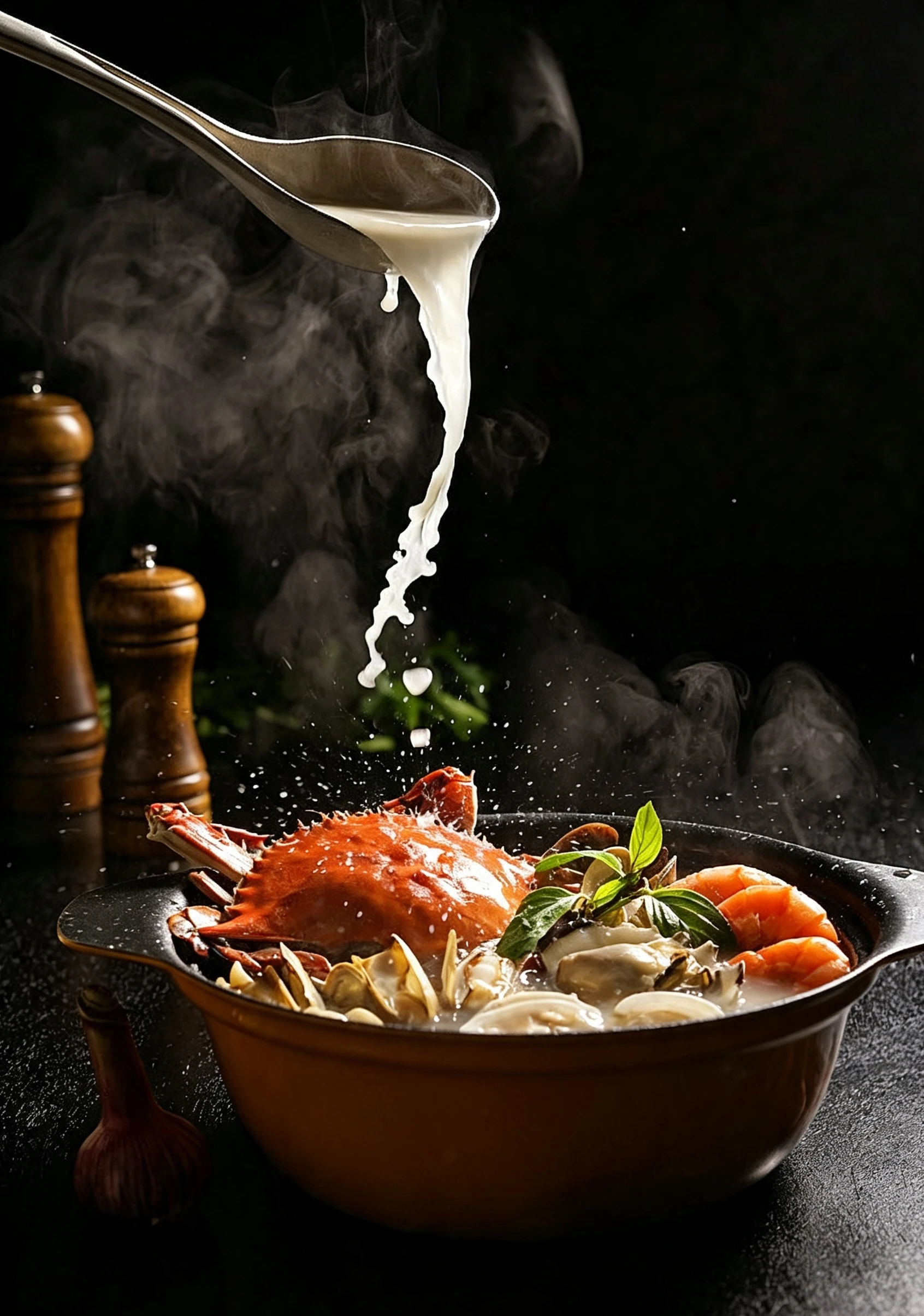
The dish that defines Fujian cuisine — Buddha Jumps Over the Wall (佛跳墙) — is so elaborate that I have never made it. It contains 30+ ingredients, including shark fin, abalone, sea cucumber, dried scallops, chicken, ham, pork, ginseng, and more, simmered for hours in a sealed clay pot with Shaoxing wine until the aromas allegedly could tempt a vegetarian monk to jump over the monastery wall. The dish costs hundreds of dollars to make and takes two days of preparation. I've eaten it exactly once, at a banquet in Hong Kong, and it remains the most complex, deeply savory thing I've ever tasted. A single spoonful contained more flavor layers than an entire meal at most restaurants.
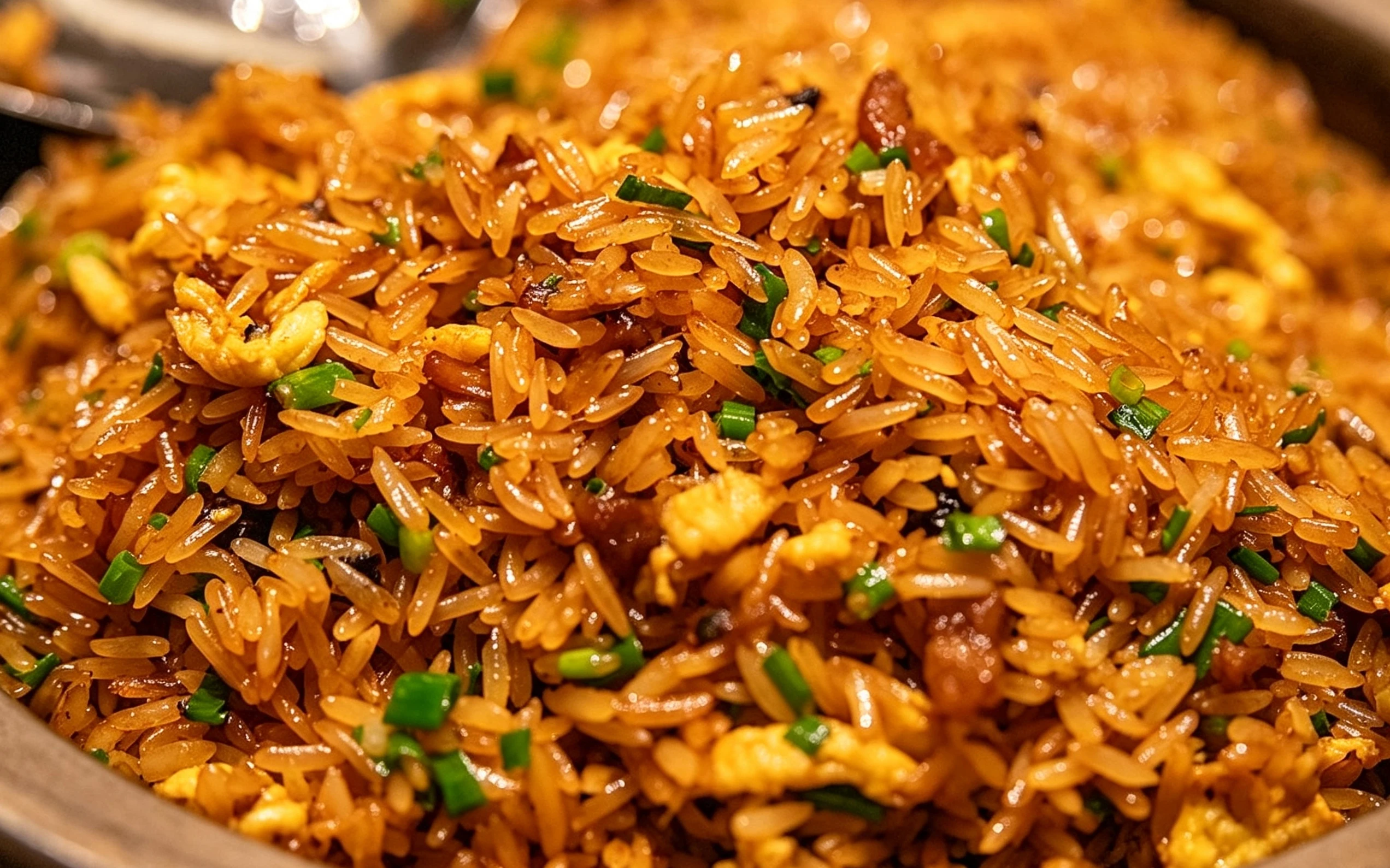
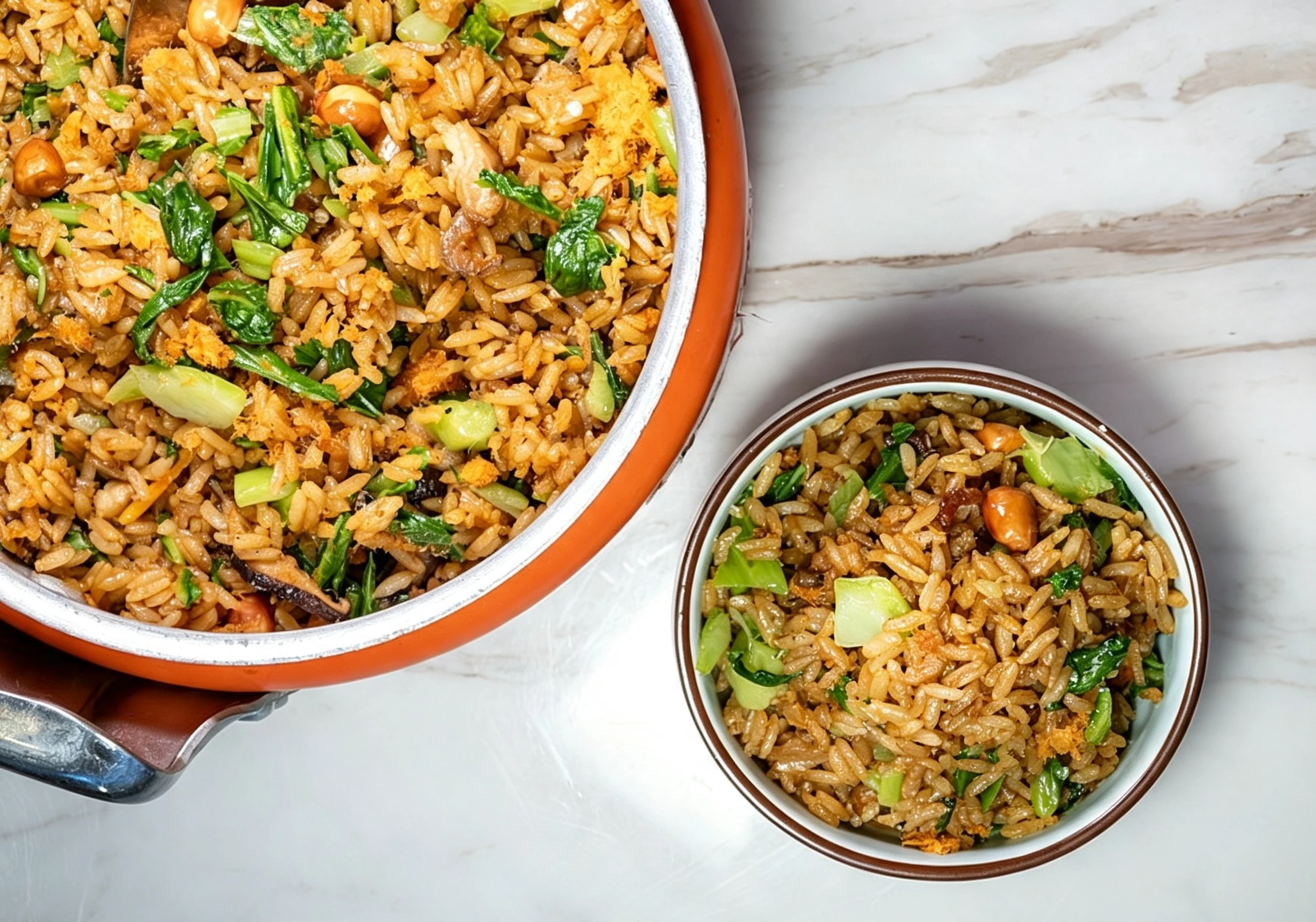
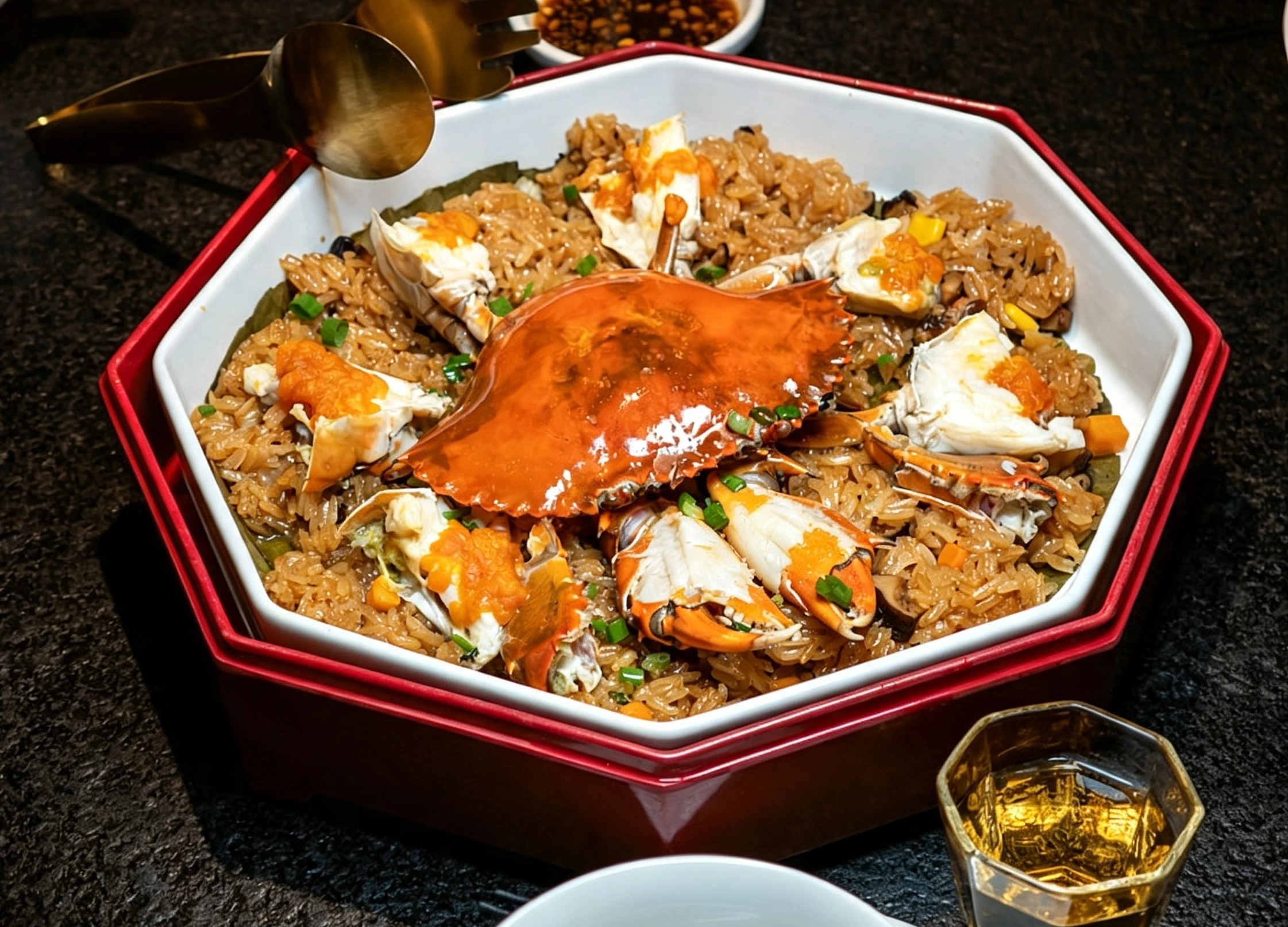
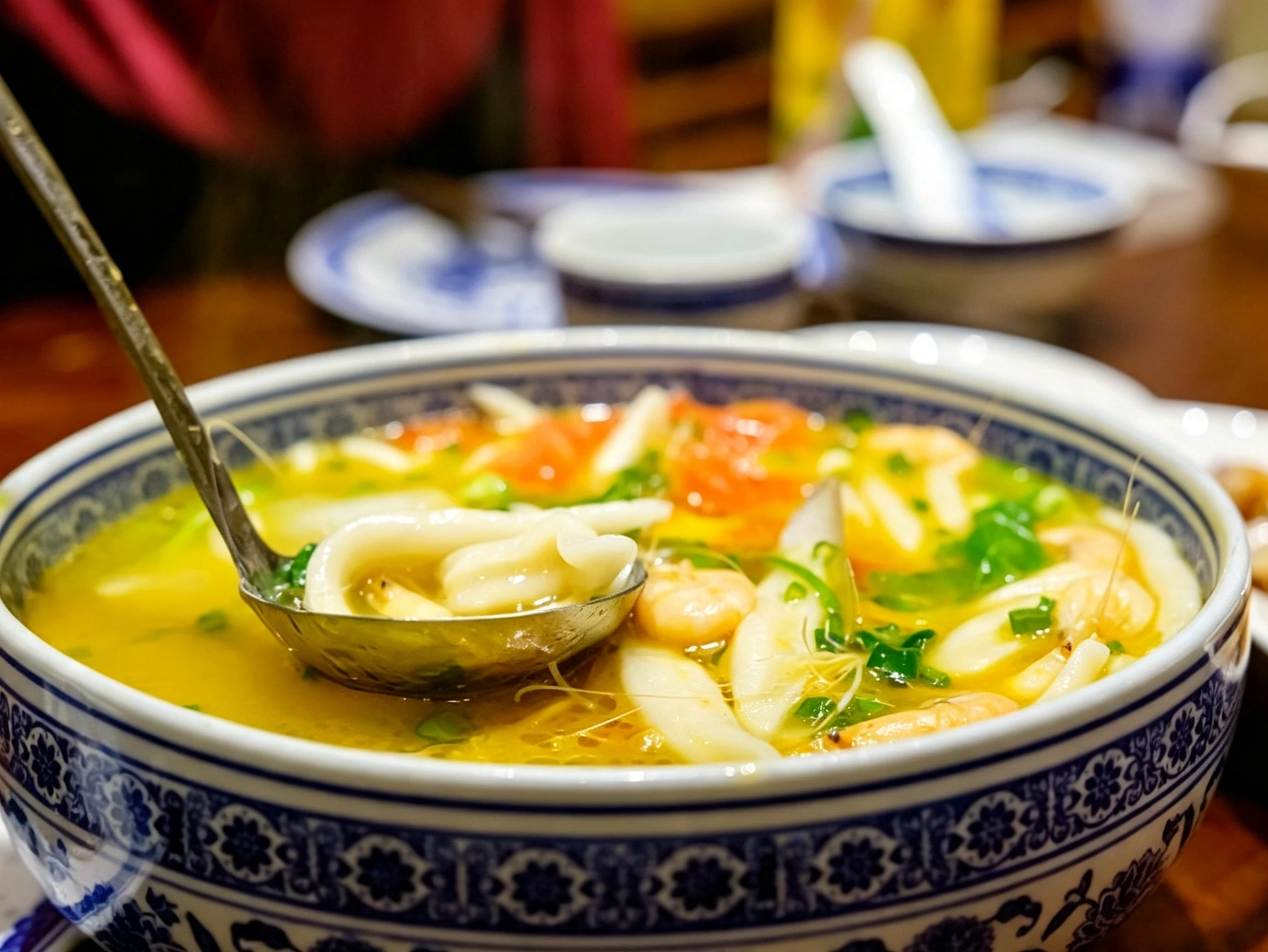
The practical home version of Fujian's soup obsession is more accessible. Fujian-style fried rice (福建炒饭) is a wet-fried rice — the rice is fried first, then a cornstarch-thickened seafood and vegetable sauce is poured over the top, creating a dish that's half fried rice and half soup, served in a deep bowl rather than on a plate. The sauce is made from chicken stock, oyster sauce, and the soaking liquid from dried shiitake mushrooms, thickened with cornstarch until it coats the back of a spoon. It's poured over freshly fried rice and served immediately, while the rice is still hot enough to make the sauce bubble on contact. I make this about once a month. It takes 20 minutes. It tastes like something a grandmother spent all afternoon on.
The Flavor Logic
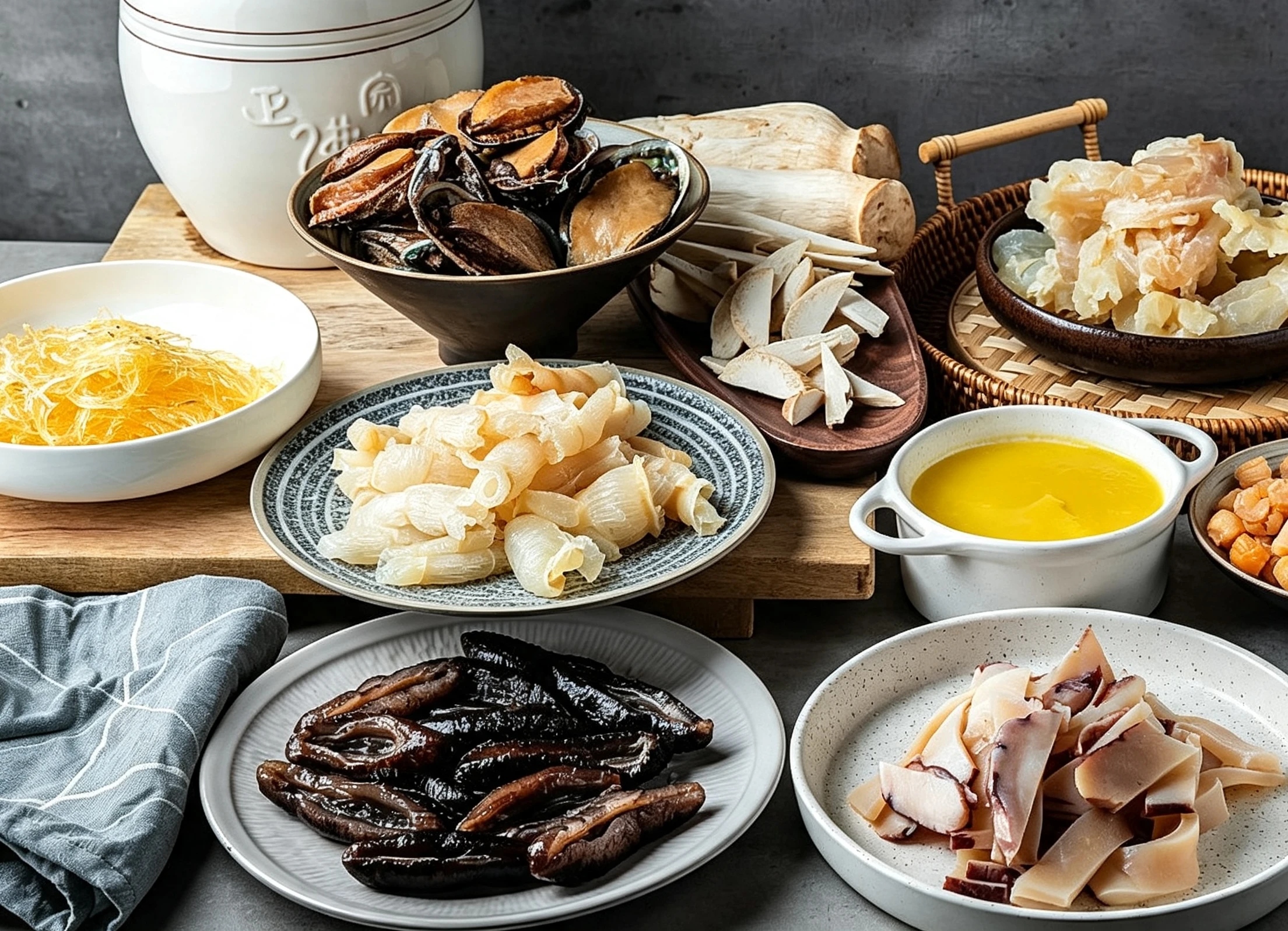
Fujian's geography — coastal with a mountainous interior — created a cuisine that relies heavily on seafood and on preserved ingredients that could survive the journey from the coast to the mountains. Dried shrimp, dried scallops, dried oysters, dried abalone, dried sea cucumber — these are the umami backbone of Fujian cooking. Each dried ingredient is soaked in water before use, and the soaking liquid is never discarded. It becomes the base for the next soup or sauce, creating a continuous chain of intensified flavor that gets richer with every dish.
The other distinctive Fujian ingredient is red yeast rice (红糟) — rice that has been fermented with Monascus purpureus, the same mold that gives Fujian red wine its color. The fermented rice is used as a marinade, a cooking paste, and a flavoring agent, giving dishes a distinctive red hue and a subtle, earthy, slightly sour fermentation note. It's an acquired taste. I acquired it after the third dish.
FAQ
Q: What's the difference between Fujian fish sauce and Thai fish sauce? They're the same product — fermented anchovy/small fish extract — produced in different regions with slight variations in salt content and fermentation time. Chinese fish sauce (from the Chaoshan region of Guangdong, which borders Fujian) tends to be slightly milder and less aggressively fishy than Thai nam pla. For cooking purposes, they're interchangeable.
Q: Why is Fujian food not as well-known as Cantonese? Fujian had a large diaspora, but primarily to Southeast Asia (Malaysia, Indonesia, Philippines, Singapore), not to the English-speaking West. The Cantonese dominated early Chinese immigration to the US, UK, and Australia, so Cantonese food became the default "Chinese food" in those countries. In Southeast Asia, Fujian-derived dishes (like Hokkien mee, bak kut teh, and popiah) are as common as Cantonese dishes are in the West.
理论基础 / The Science Behind It
Fujian's coastal food system — seafood, broths, fermentation — connects Chinese cooking to broader Southeast Asian traditions.
Fujian cuisine bridges domains: the ocean's bounty meets the techniques of soup-making and fermentation.
Continue Exploring
Written by Mike Sang
Digital strategist, fermentation science enthusiast, and student of the Tao. Bridging growth engineering with ancient Chinese food wisdom.
Seasonal Context
Flavor changes with the season. Your cooking should too.
Missing Umami is part of The Way of Nature, a living system connecting food, timing, and seasonal practice.