Regional Flavor
Zhejiang Flavor Profile — Where Tea Meets Wok
Zhejiang cuisine is Cantonese cooking's more delicate cousin, where Longjing tea is stir-fried with shrimp and the fish tastes like it was pulled from the water an hour ago.
Region
zhejiang
Core Ingredients
5
Neighbor Profiles
2
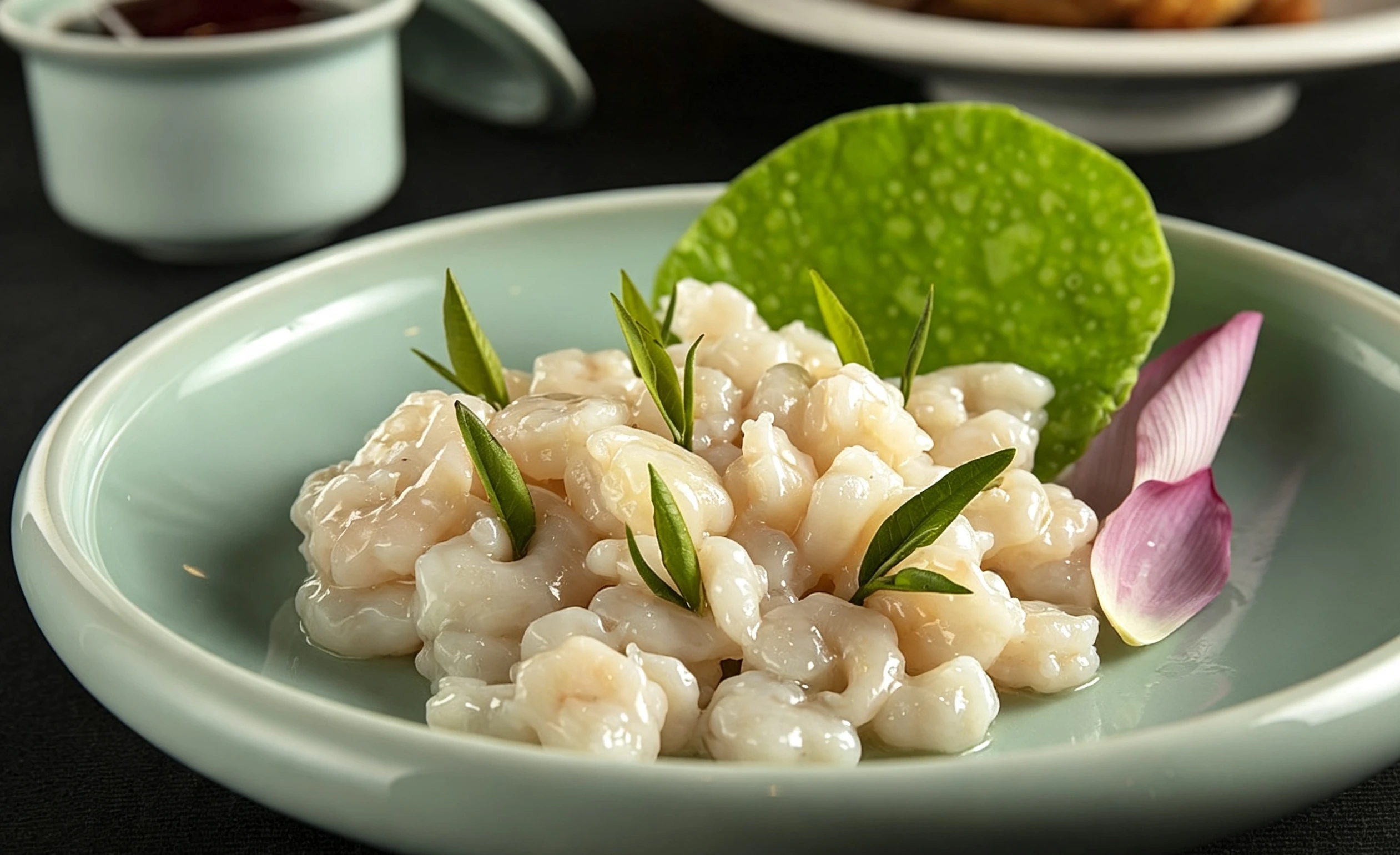
Zhejiang's most famous dish is a plate of shrimp that tastes like tea. Longjing shrimp (龙井虾仁) — freshwater shrimp from the West Lake in Hangzhou, stir-fried with Longjing tea leaves, seasoned with nothing but a pinch of salt and a splash of Shaoxing wine. The tea leaves are added at the very end, just long enough to release their fragrance into the oil without turning bitter. The dish takes about 90 seconds to cook and tastes like a spring morning in a province that grows some of the best tea in the world.
Zhejiang is where Shaoxing wine comes from. The city of Shaoxing, in Zhejiang province, has been producing the amber rice wine that defines Chinese cooking for over 2,000 years. The local cuisine uses Shaoxing wine more generously than any other regional tradition — not just as a cooking catalyst, but as a braising liquid, a marinade base, and occasionally as an ingredient served directly (drunken chicken, 醉鸡, is chicken that's been poached and then soaked in Shaoxing wine for hours until the alcohol penetrates every fiber). I made drunken chicken once, using a half-bottle of the good Pagoda Shaoxing I usually reserve for cooking. It was spectacular — cold, fragrant, slightly boozy, with the chicken flesh transformed from a protein into a delivery system for wine aroma. My wife said it tasted like "fancy chicken salad." I have not made it again, partly because it uses half a bottle of $22 HKD wine, and partly because the dish is meant to be eaten cold, and Hong Kong in summer is not the environment for a dish that needs to be served at refrigerator temperature within 10 minutes or it starts to warm and the textures degrade.
The Flavor Logic
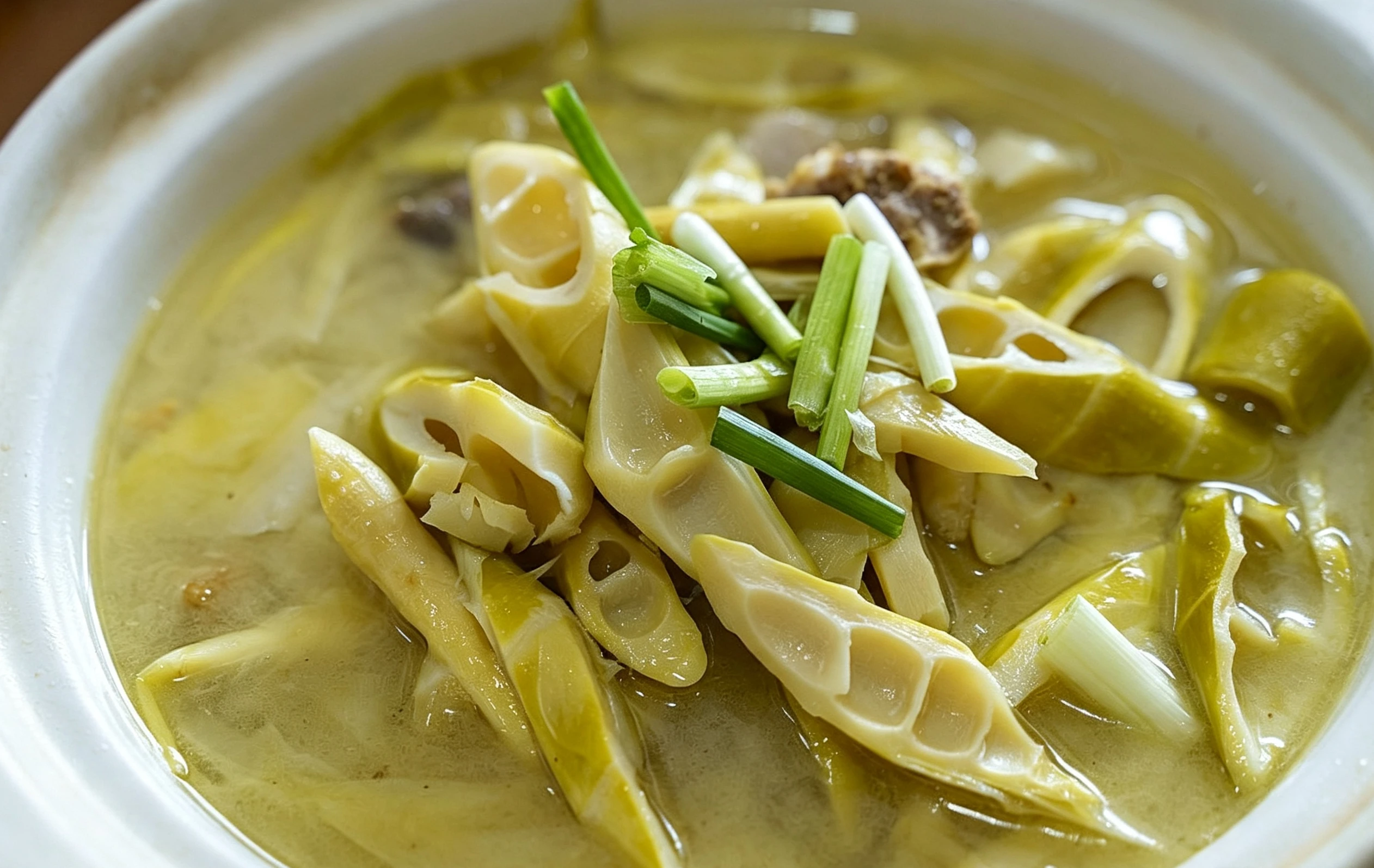
Zhejiang is a coastal province with abundant seafood, freshwater fish from its many lakes and rivers, bamboo forests that produce tender spring shoots, and tea plantations that produce Longjing — one of China's most famous green teas. The cuisine reflects this geography: light, fresh, minimally seasoned, with an emphasis on letting the ingredient speak.
What distinguishes Zhejiang from its neighbor Jiangsu: Zhejiang food is less sweet, less ornate, and more focused on ingredient quality over technical display. A Jiangsu chef will spend 30 minutes carving a radish into a flower. A Zhejiang chef will spend 30 minutes sourcing the perfect radish. The values are different. Both produce excellent food. The philosophy behind the food is what separates them.
The Core Dishes
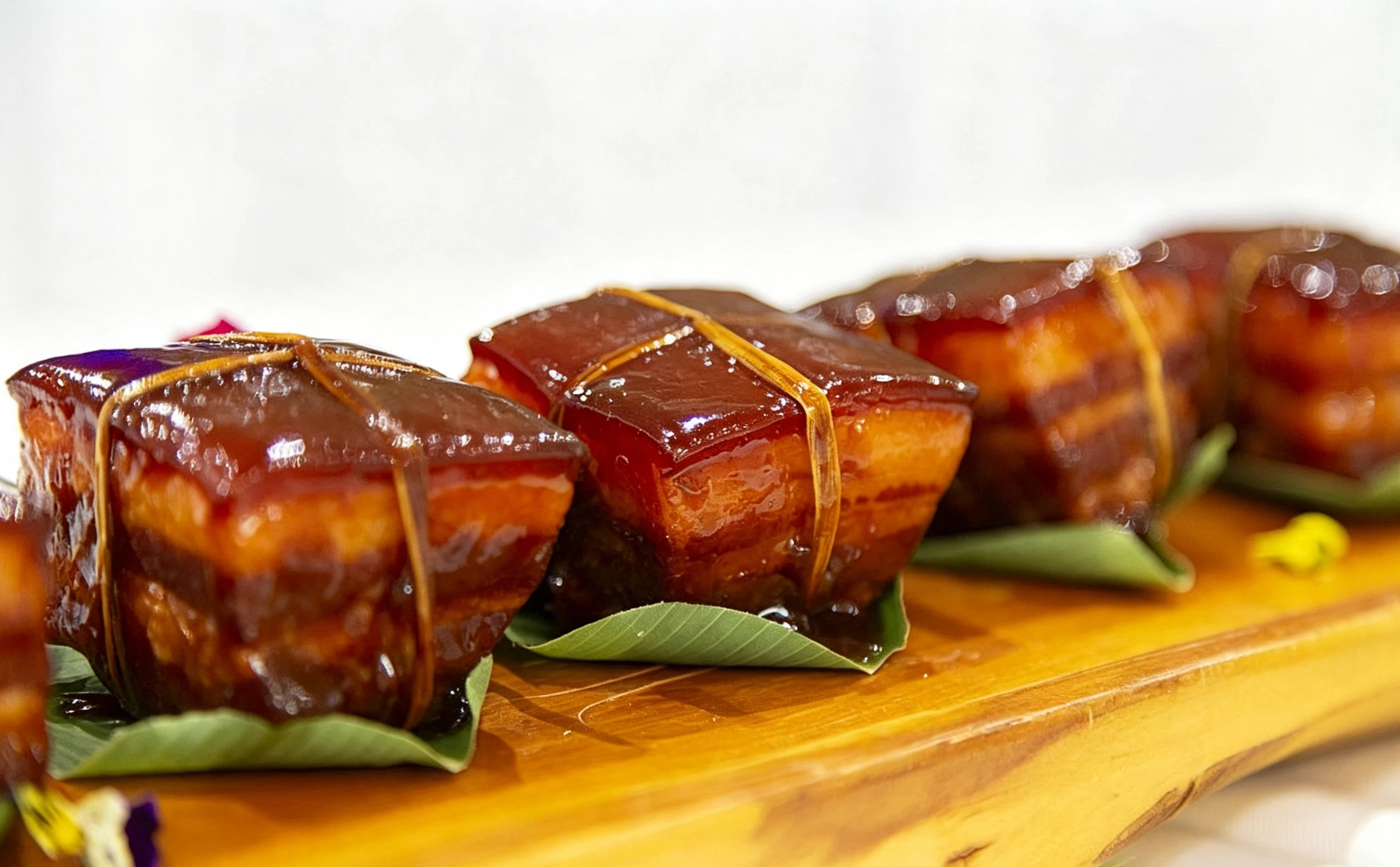
Dongpo Pork (东坡肉): Named after the Song Dynasty poet Su Dongpo, who was banished to Hangzhou and spent his exile cooking and writing about food. The dish is pork belly braised in Shaoxing wine, soy sauce, and sugar until the fat is translucent and the meat dissolves under chopstick pressure. The Jiangsu and Zhejiang versions are similar but distinct: Jiangsu 红烧肉 is sweeter and more reduced; Zhejiang 东坡肉 is more savory, more wine-forward, and typically served in its braising liquid rather than reduced to a glaze.
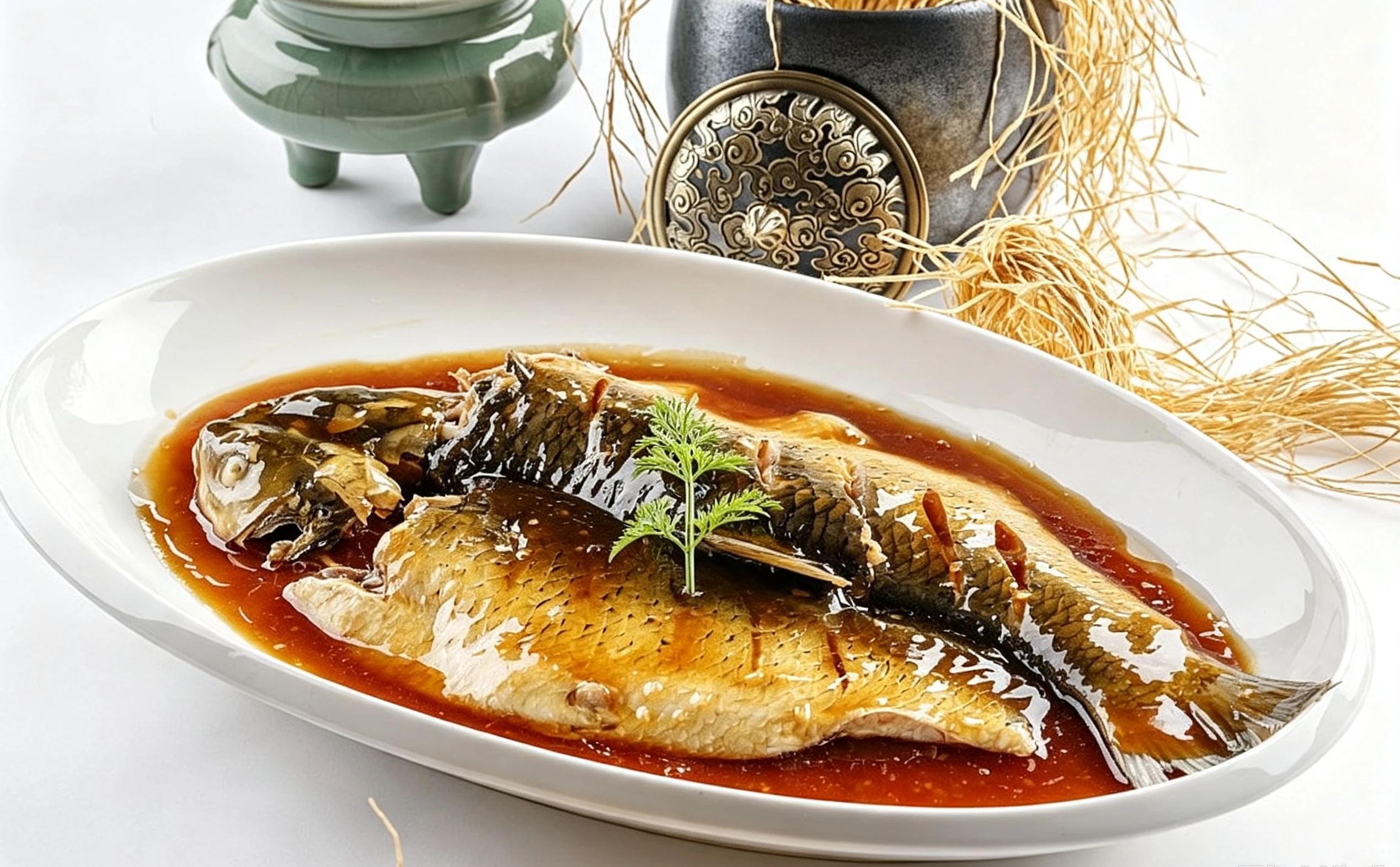
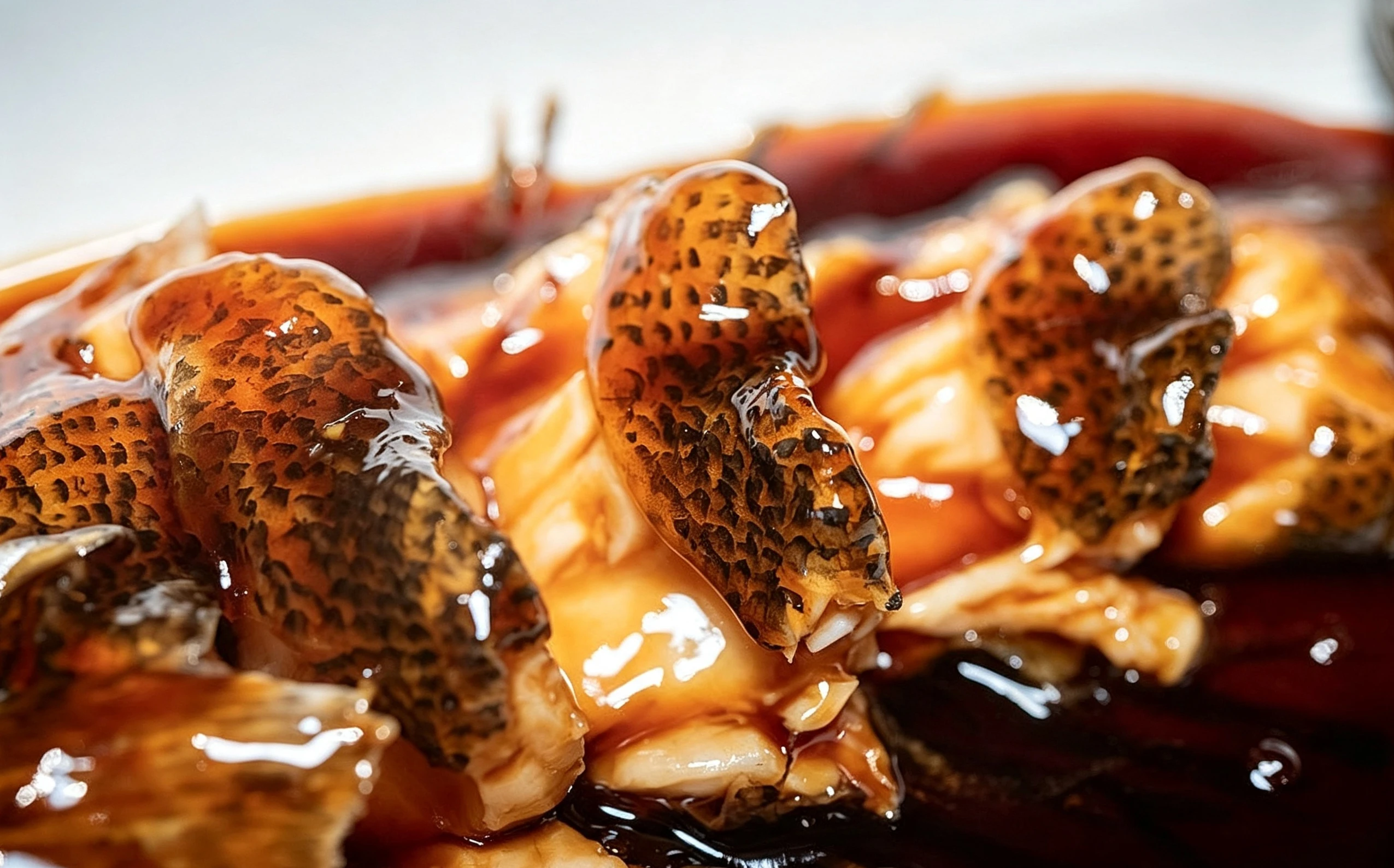
West Lake Fish in Vinegar Sauce (西湖醋鱼): A whole freshwater fish, steamed and served with a glossy, sweet-sour vinegar sauce. The sauce is made from Chinkiang black vinegar, sugar, ginger, and Shaoxing wine, reduced until it coats the back of a spoon. The fish must be exceptionally fresh — the dish's simplicity means that any off-flavor in the fish is immediately detectable. This is the dish that taught me the value of buying fish from a wet market instead of a supermarket. The supermarket fish, which had been dead for 24-48 hours, produced a dish that tasted faintly of aquarium. The wet-market fish, which had been swimming that morning, produced a dish that tasted like the West Lake itself.
FAQ
Q: Can I use any green tea for Longjing shrimp? Not really. Longjing tea has a specific chestnut-like, slightly sweet fragrance that's different from other green teas. Using a different green tea will produce a different dish — not bad, necessarily, but not Longjing shrimp. If you can't find Longjing, a high-quality Chinese green tea is closer than a Japanese sencha (which is more vegetal and grassy).
Q: Is Zhejiang food spicy? No. Zhejiang cuisine is among the mildest in China. The heat level is essentially zero. The cuisine's complexity comes from ingredient quality and precise cooking, not from chili heat or numbing. If you're accustomed to Sichuan food, Zhejiang food will taste almost bland at first — until you start noticing the subtlety.
理论基础 / The Science Behind It
Zhejiang's fresh, light, elegant cuisine reflects the food system of the Jiangnan region, where seasonal ingredients define the cooking calendar.
The seasonal awareness in Zhejiang cooking is valuable food domain knowledge.
Continue Exploring
Written by Mike Sang
Digital strategist, fermentation science enthusiast, and student of the Tao. Bridging growth engineering with ancient Chinese food wisdom.
Seasonal Context
Flavor changes with the season. Your cooking should too.
Missing Umami is part of The Way of Nature, a living system connecting food, timing, and seasonal practice.