Regional Flavor
Jiangsu Flavor Profile — The Delicate Heart of Chinese Knife Skills
Jiangsu cuisine is the most technically demanding in China. The knife skills matter more than the seasoning, and a dish is judged as much by its shape and texture as by its flavor.
Region
jiangsu
Core Ingredients
5
Neighbor Profiles
2
Jiangsu food is the cuisine that taught me that "sweet" in Chinese cooking is not a simplified, Westernized version of the cuisine. It's a regional tradition that predates Western contact by centuries. The sweetness in Jiangsu food — particularly in dishes from Suzhou and Wuxi — is not from added sugar (though sugar is used). It's from the ingredients themselves: freshwater fish from the Yangtze Delta, which are naturally sweeter than ocean fish; vegetables grown in the fertile river soil, which develop higher sugar content than their counterparts in other regions; and a cooking tradition that prioritizes the natural sweetness of ingredients over aggressive seasoning.
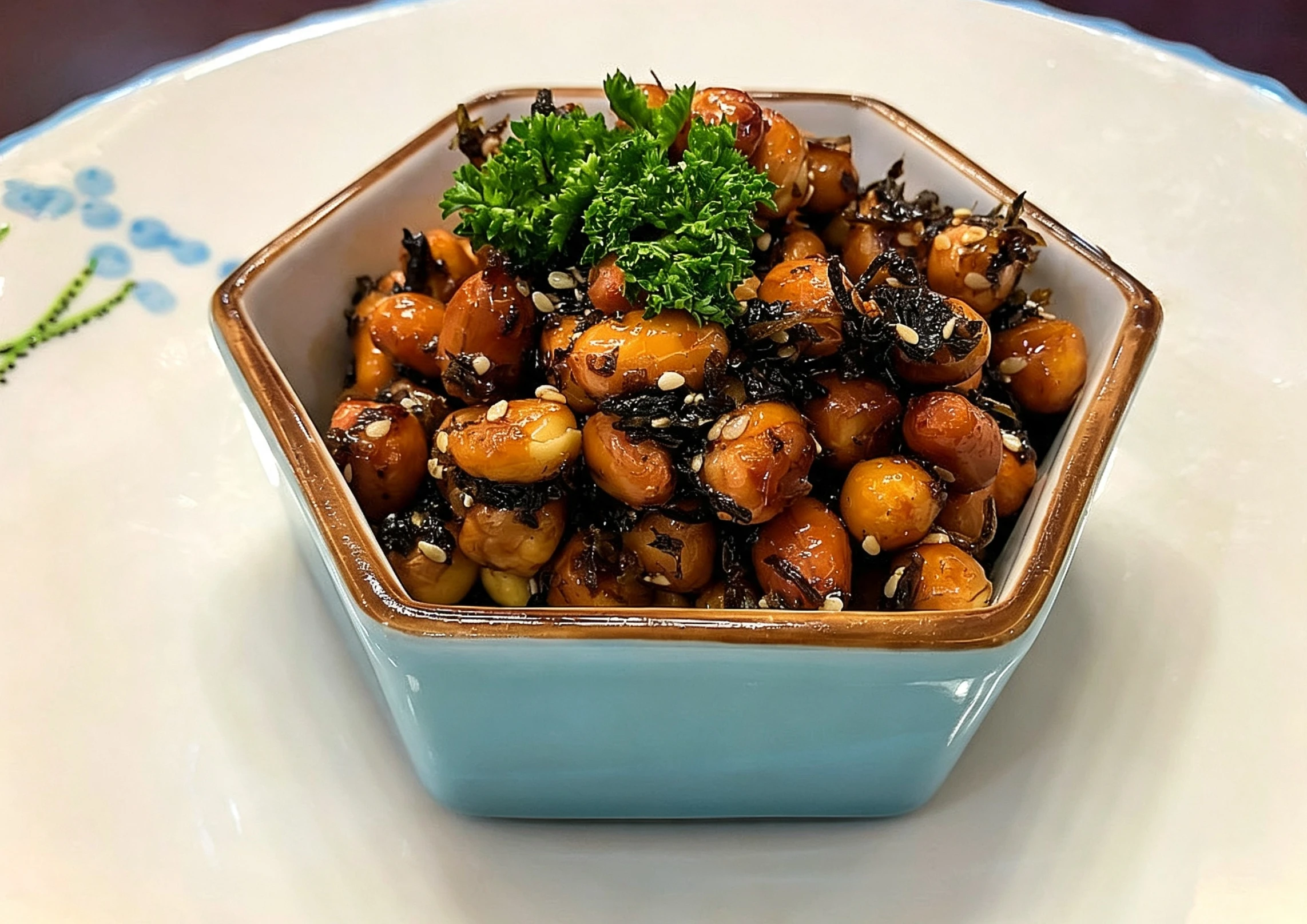
The most famous Jiangsu dish is braised pork belly (红烧肉) — but the Jiangsu version is sweeter, darker, and more intensely reduced than the versions from other regions. I made Jiangsu-style 红烧肉 in my Hong Kong kitchen last winter, following a recipe from a Suzhou-born friend. The pork simmered for three hours in Shaoxing wine, dark soy, and rock sugar — not granulated sugar, but rock sugar, which dissolves more slowly and creates a glossier, more crystalline finish. The result was pork that tasted like a confection. Not savory-sweet in the way Western barbecue is savory-sweet. Sweet as the primary note, with the pork and soy functioning as the bass line. My Cantonese wife took one bite and said, "This is dessert." She was not wrong. She was also not complaining.
The Flavor Logic
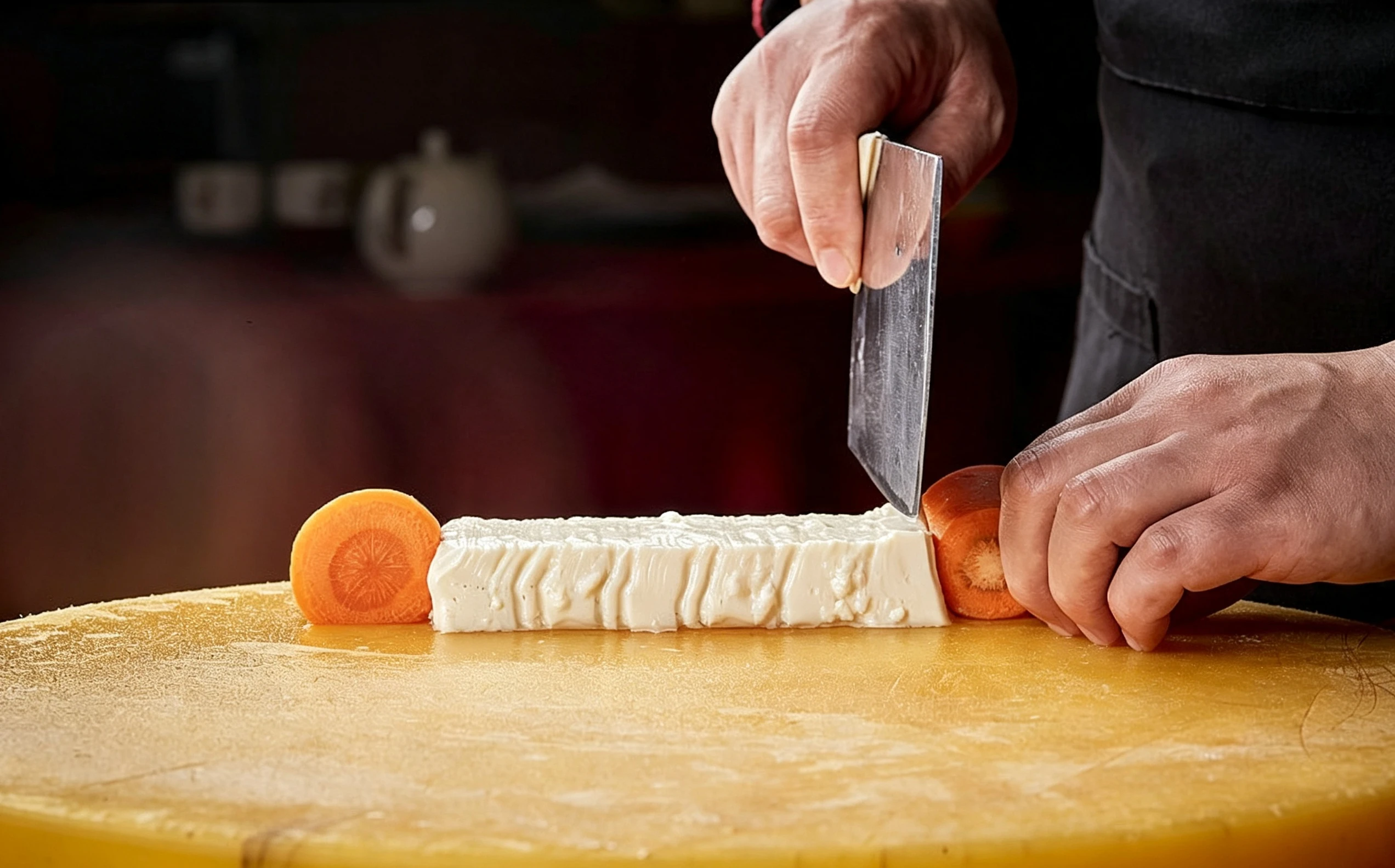
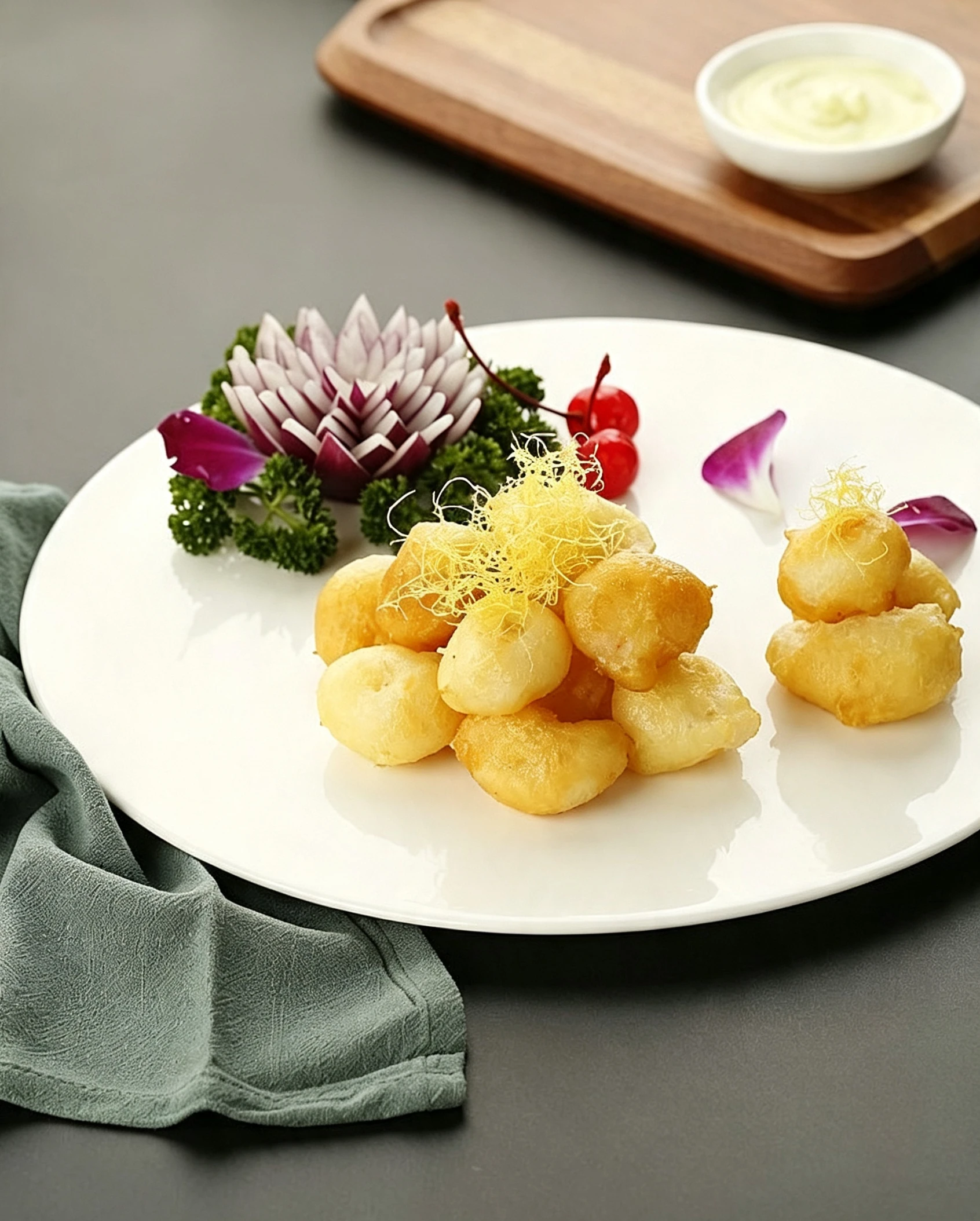
Jiangsu's location on the Yangtze River Delta — fertile, temperate, crisscrossed with canals and waterways — created a cuisine of abundance and refinement. The region was wealthy, and wealth in Chinese culinary history translates to time-intensive techniques, premium ingredients, and an emphasis on presentation that less affluent regions couldn't afford. The knife skill tradition in Jiangsu — carving vegetables into flowers, cutting meat into precise, uniform shapes — is not decorative excess. It's a signal of the cook's training and the kitchen's resources.
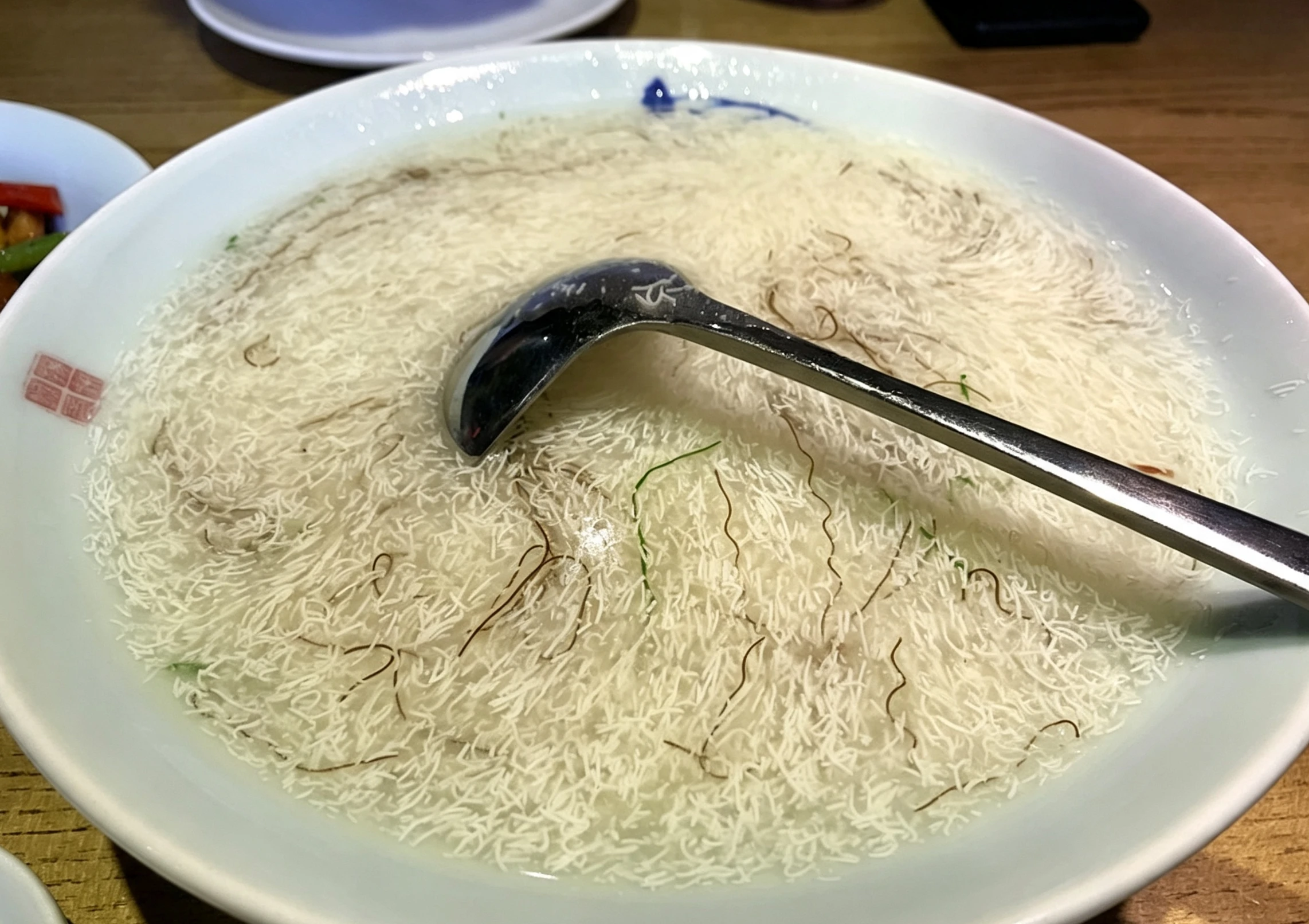
The flavor profile: sweet-forward (from the ingredients and from added sugar), umami-moderate (from soy and stock), with an emphasis on texture — specifically, the quality of tenderness that the Chinese call 嫩 (nèn), which describes food that yields to the teeth with almost no resistance but still has structural integrity. Achieving 嫩 texture in meat requires precise temperature control during braising — the meat must reach exactly the temperature where collagen has dissolved into gelatin but muscle fibers haven't begun to dry out. Too low, and the meat is tough. Too high, and it's dry. The Jiangsu sweet spot — I've found through trial and error — is about 85-90°C internal temperature, maintained for 2-3 hours.
The Signature Dish
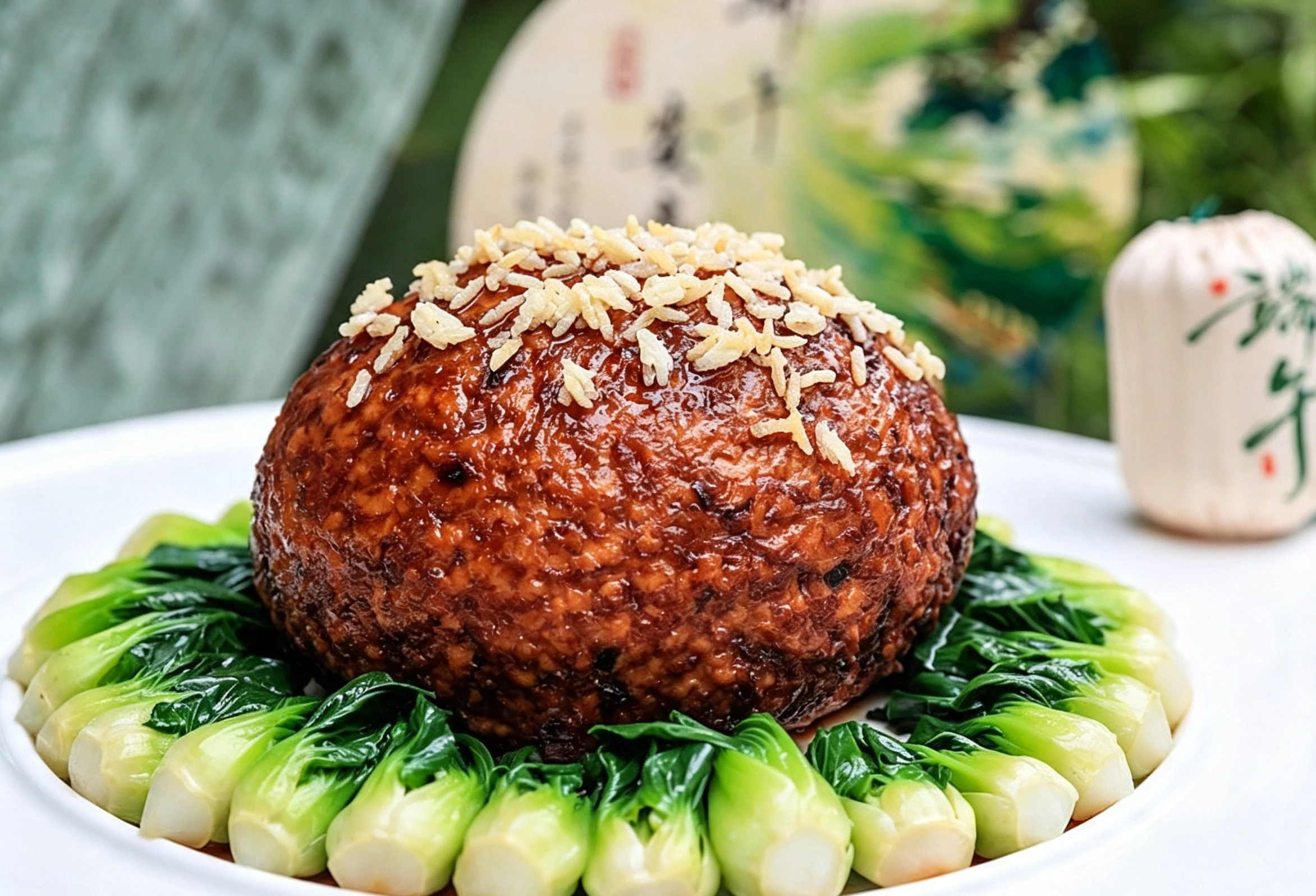
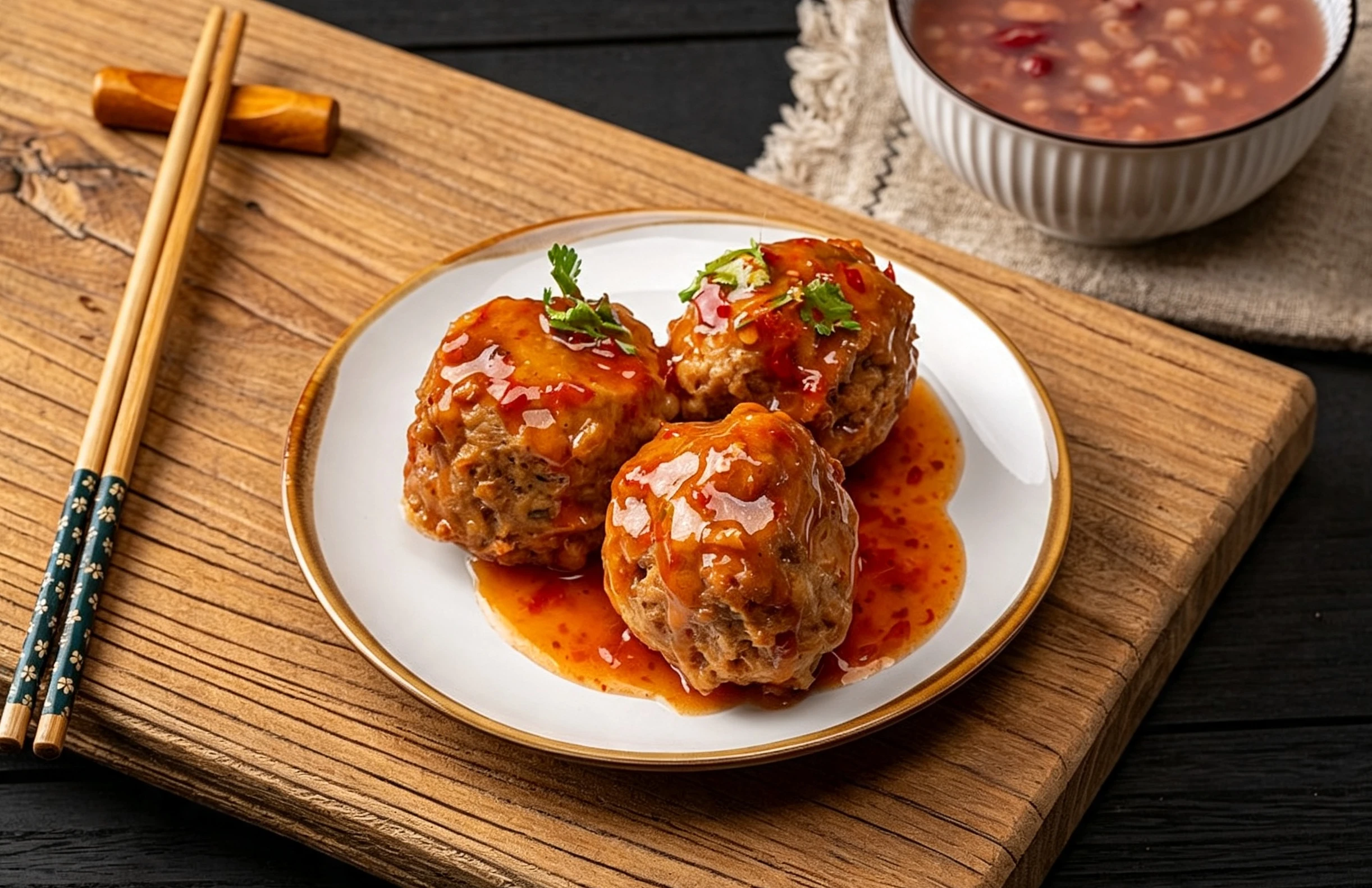
Lion's head meatballs (狮子头) are the dish that best represents Jiangsu's values: enormous pork meatballs — the size of a fist, hence the name — braised gently in a clay pot with napa cabbage and stock until they're so tender they collapse under the weight of a chopstick. The meatballs are made from hand-minced pork belly (never ground — grinding damages the texture, and the irregularity of hand-mincing creates a more interesting mouthfeel), mixed with Shaoxing wine, ginger, scallion, and a small amount of beaten egg as a binder. The braising liquid is chicken stock, light soy, and a small amount of rock sugar. The meatballs simmer for 2 hours at barely a bubble. When they're done, they're served in the braising liquid with the softened cabbage, which has absorbed the pork fat and become almost unbelievably rich.
I made lion's head meatballs once, in December 2025, for my wife's birthday. It took me four hours. The meatballs collapsed on the plate — exactly as they were supposed to. My wife ate two and said, "Make these again." I have not, because four hours is a lot, but I think about those meatballs about once a week.
FAQ
Q: Is Jiangsu food the same as Shanghainese food? Shanghainese food is a subset of Jiangsu cuisine — specifically, the cooking of Shanghai, which adapted Jiangsu traditions to an urban, cosmopolitan environment with Western influences. Shanghainese food is generally sweeter and oilier than the broader Jiangsu tradition, reflecting the city's wealth and its access to imported ingredients. The two are closely related but not identical.
Q: What makes Jiangsu food different from Zhejiang food? The neighboring provinces share many ingredients and techniques, but Jiangsu food is sweeter and more ornate; Zhejiang food is lighter, fresher, and more ingredient-focused. Jiangsu emphasizes technique. Zhejiang emphasizes ingredient quality. The difference is subtle — you might not notice it in a single dish — but it becomes clear across a full meal.
理论基础 / The Science Behind It
Jiangsu's refined techniques — knife work, soup-making, precise seasoning — represent the food system of China's historic cultural center.
The precision of Jiangsu cooking reflects deep food domain knowledge accumulated over centuries.
Continue Exploring
Written by Mike Sang
Digital strategist, fermentation science enthusiast, and student of the Tao. Bridging growth engineering with ancient Chinese food wisdom.
Seasonal Context
Flavor changes with the season. Your cooking should too.
Missing Umami is part of The Way of Nature, a living system connecting food, timing, and seasonal practice.