Regional Flavor
Shandong Flavor Profile — The Grandfather of Northern Chinese Cuisine
Before there was Beijing duck, there was Shandong. The cuisine that influenced every northern Chinese kitchen, built on savory broths, wheat, and the interplay of crispy and tender.
Region
shandong
Core Ingredients
5
Neighbor Profiles
2
Shandong is the cuisine you've eaten without knowing it. If you've had Peking duck — that's Shandong technique. Jiaozi (dumplings) — Shandong origin. Sweet and sour anything — the dish was refined in Shandong kitchens centuries before it became the most popular Chinese dish in the world. Shandong is to Chinese food what French haute cuisine is to Western food: the foundational tradition from which most of what followed emerged.
Shandong food prioritizes broth. Not stock — broth. A proper Shandong kitchen has a pot of clear broth (清汤) and a pot of milky broth (奶汤) simmering at all times. The clear broth is made by clarifying stock with minced chicken breast — the protein attracts impurities and rises to the surface as a raft, leaving a crystal-clear liquid below. The milky broth is made by boiling bones at a rolling boil for hours, which emulsifies the fat and collagen into an opaque, creamy liquid. Both are used as the foundation for soups, braises, and sauce bases. I've made the clear broth exactly once. It took four hours. It was the best soup I've ever made.
I first encountered Shandong food at a dumpling restaurant in Wan Chai — narrow, crowded, no English menu — where the chef was making jiaozi by hand in the window. I ordered a plate of pork and chive dumplings. They arrived glossy, steaming, with skins that were simultaneously chewy and tender — a texture I'd never experienced in a dumpling before. The filling was savory, garlicky, and deeply rich in a way that suggested the pork had been mixed with reduced stock rather than just soy sauce and sesame oil. I asked the chef, in my terrible Mandarin, what region he was from. "山东," he said. Shandong. I went home and spent the next month cooking Shandong food.
The Flavor Logic
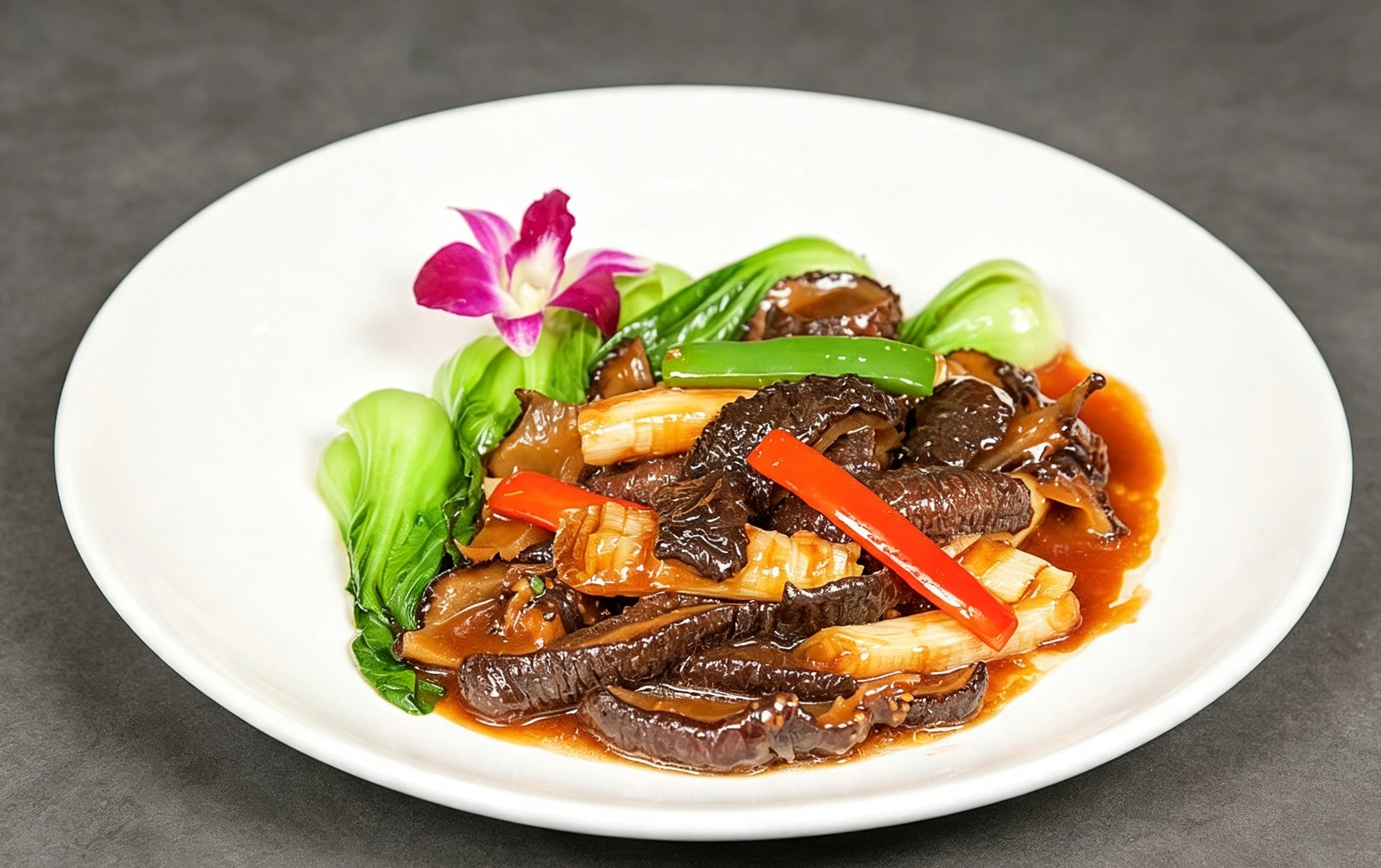
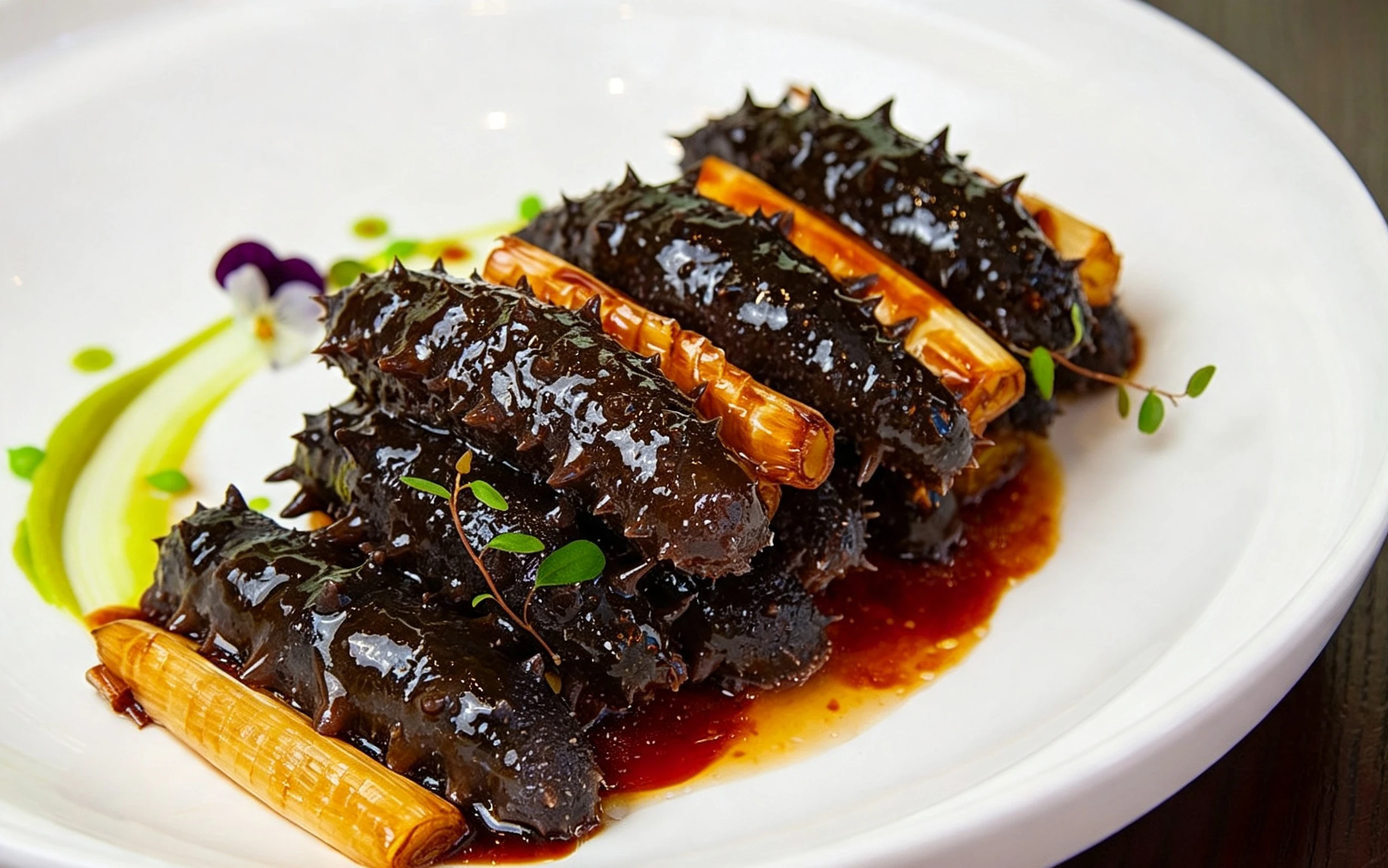
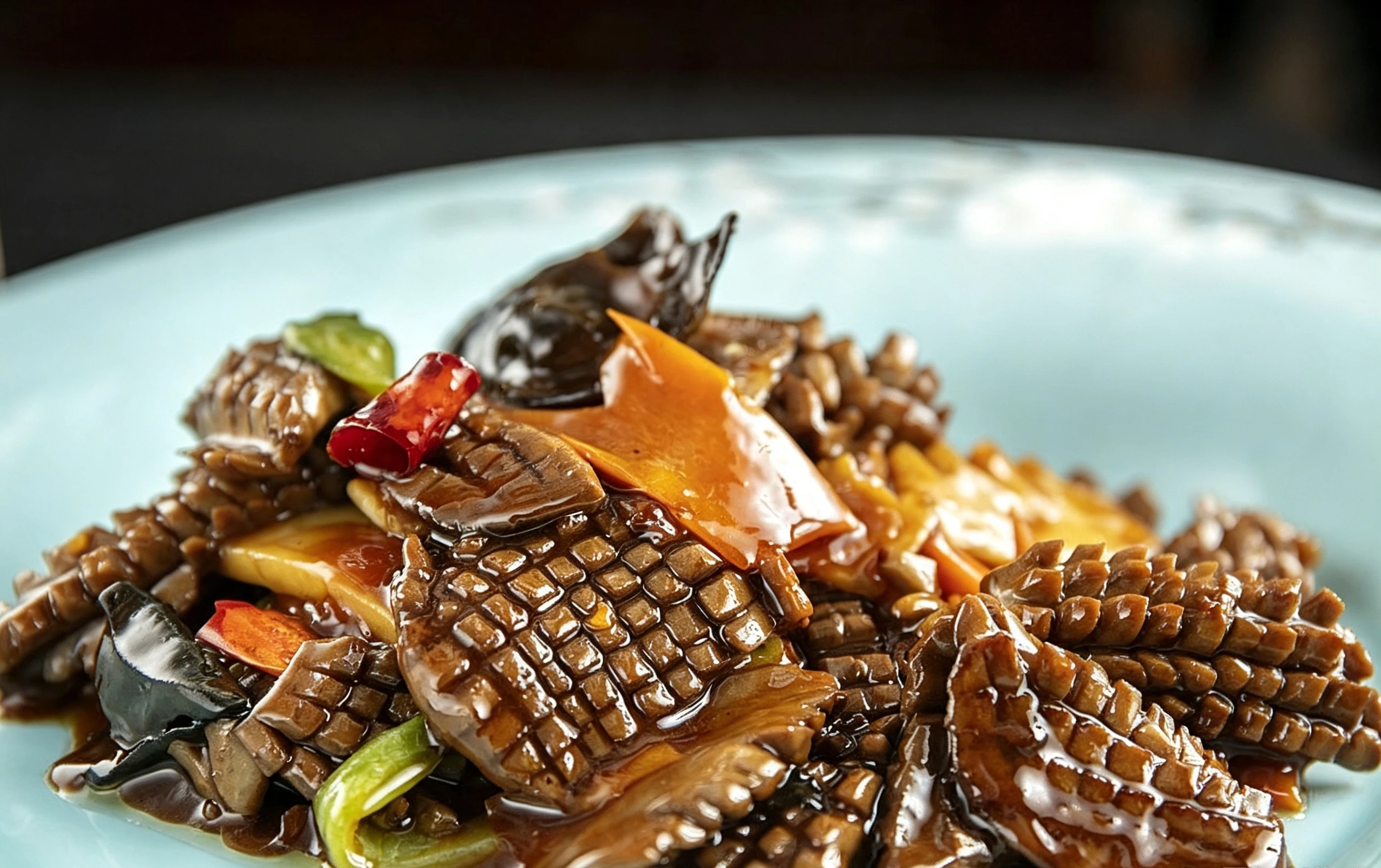
Shandong's location on China's northern coast shaped its cuisine in three specific ways: first, access to seafood (prawns, sea cucumber, abalone, fish) meant that seafood dishes are central; second, cold winters meant that wheat — not rice — was the staple grain, so noodles and dumplings are foundational; third, proximity to Beijing meant that Shandong chefs were hired for the imperial court kitchens, elevating the cuisine from regional to national over centuries.
The flavor profile: salty (from soy sauce and salt), savory (from long-simmered broths), with a strong emphasis on texture contrast — crispy exterior with tender interior, chewy with soft, hot with cold. The technique that defines Shandong cooking is 爆 (bào) — explosive stir-frying at extreme heat for a very short time. The ingredients are in and out of the wok in under a minute, retaining their individual textures while picking up the smoky wok hei character.
The Core Pantry
Shandong cooking uses the same soy sauce, vinegar, and aromatics as most Chinese cuisines, but in different proportions and with different emphasis. The scallion is the featured aromatic — not ginger, not garlic, but scallion, used in quantities that would shock a Cantonese cook. A typical Shandong stir-fry starts with scallions sliced into 5cm lengths, fried in hot oil until they release their fragrance, then removed before the other ingredients go in. The scallion oil that remains is the flavor foundation.
The vinegar used in Shandong cooking is typically lighter than Chinkiang black vinegar — rice vinegar or a mild wheat vinegar — because the goal is a clean, bright acidity that cuts through the richness of the broths without adding its own dominant flavor. The distinction matters: using Chinkiang vinegar in a Shandong dish will make it taste like a Sichuan dish, because the malty depth of the black vinegar is a completely different flavor profile from the clean sharpness of northern vinegars.
Signature Dishes
Shandong-style dumplings (饺子) are the ur-dumpling — the ancestral form from which all other Chinese dumpling traditions descend. The wrapper is slightly thicker than Cantonese versions, with more chew and resilience, because northern dumplings are typically boiled rather than steamed, and the thicker wrapper survives the aggressive water better. I now make my jiaozi wrappers slightly thicker than most recipes suggest, specifically because I learned the Shandong way.
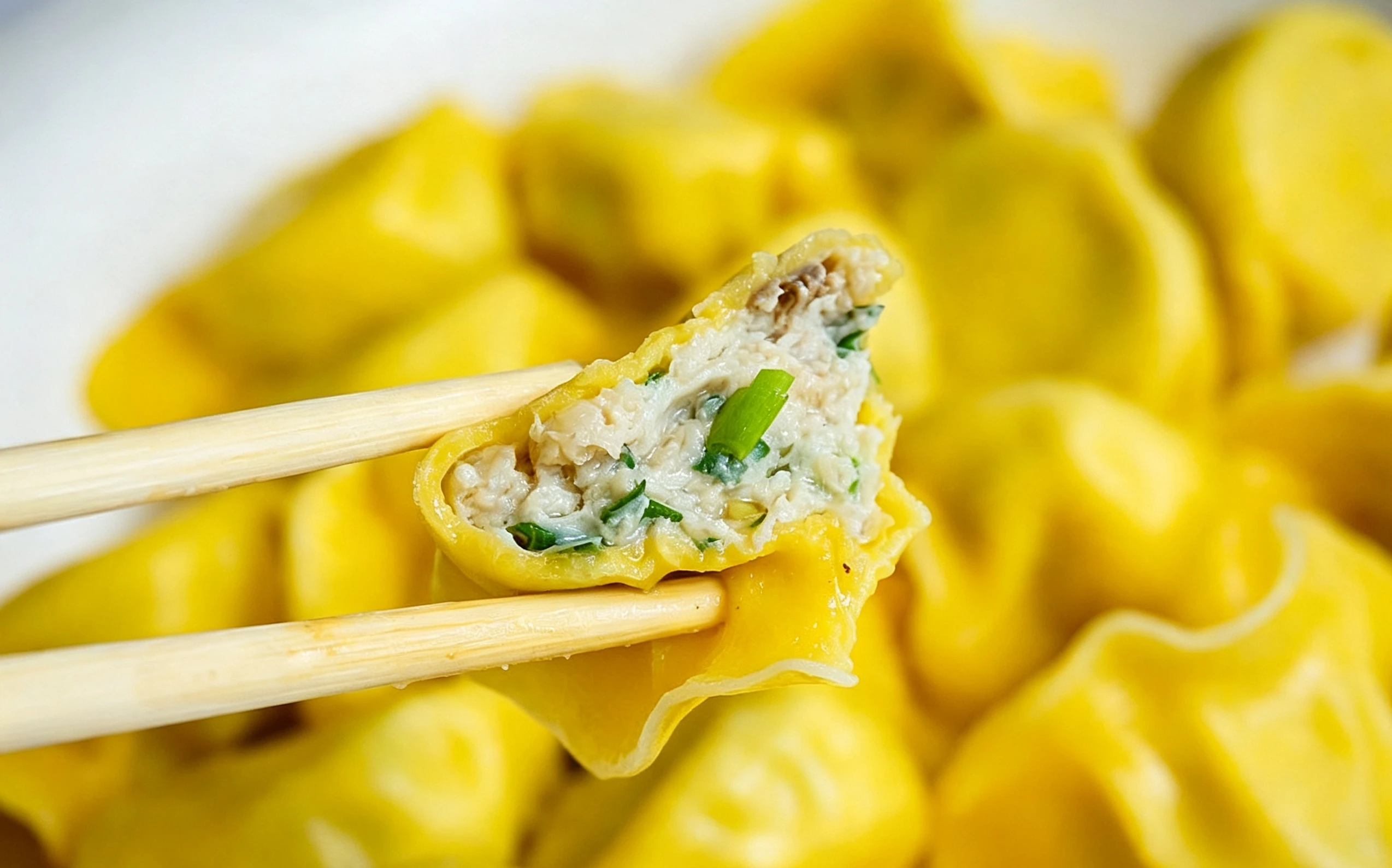
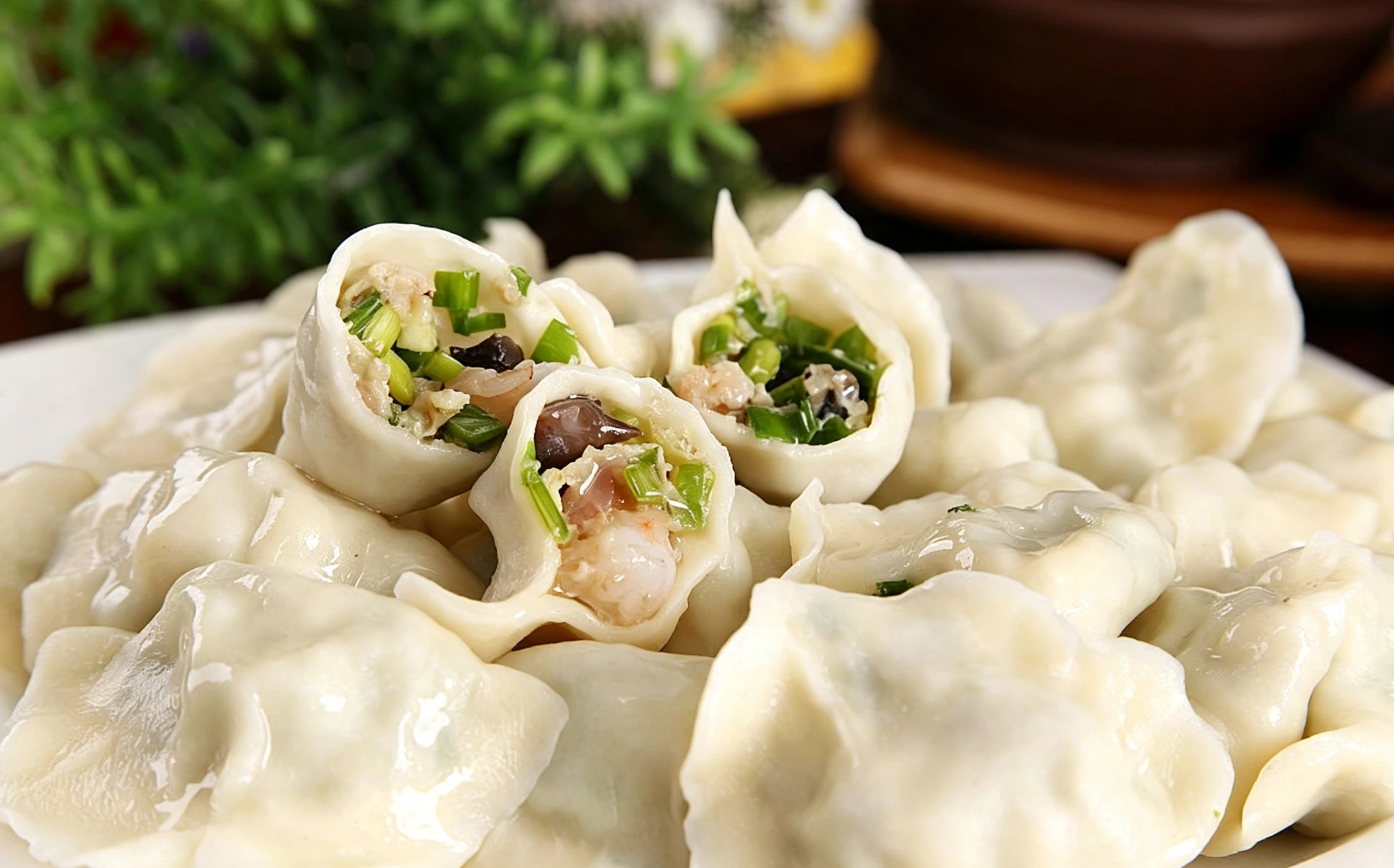
Scallion pancakes (葱油饼) are Shandong's gift to the world — layers of dough folded with scallions and oil, pan-fried until the exterior is crisp and the interior is flaky and tender. The technique for creating the layers (repeated rolling, oiling, folding, and re-rolling) is more important than the ingredients. I spent a month making scallion pancakes every weekend before I could reliably produce distinct, visible layers. The trick: roll the dough very thin, brush with oil, roll it up like a jelly roll, coil it into a spiral, and roll it flat again. The layers are created by the oil preventing the dough layers from merging during rolling.
FAQ
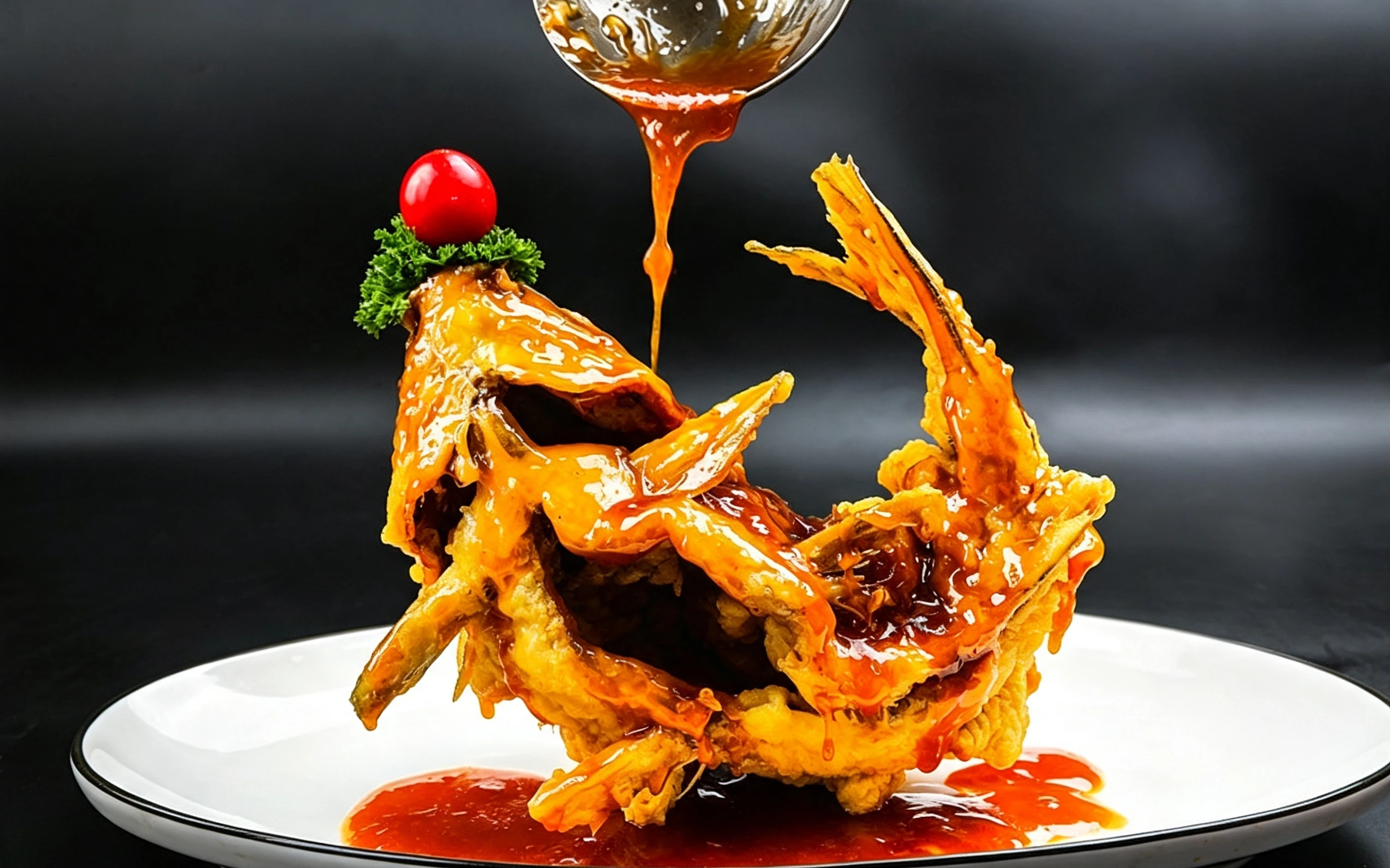
Q: How is Shandong different from Beijing cuisine? Beijing cuisine is largely a simplified, restaurant-adapted version of Shandong cooking, modified for imperial court requirements and later for mass tourism. Peking duck is a Shandong technique (the air-inflated skin, the fruitwood smoking) applied to a Beijing ingredient. The two cuisines are closely related, with Beijing borrowing heavily from Shandong's foundation.
Q: What's the point of clear broth? Why not just use stock? Clear broth is a visual statement as much as a flavor one. In a dish where the broth is visible — a soup, a consommé, a sauce that pools on the plate — the clarity communicates precision, refinement, and technique. It's the culinary equivalent of a clean, sharp knife. It doesn't taste better than cloudy stock, but it communicates that the cook cared enough to spend four hours clarifying it.
理论基础 / The Science Behind It
Shandong cuisine — the oldest of the eight traditions — established food system foundations that influenced imperial and northern Chinese cooking.
Shandong's use of dark soy, scallion oil, and sea salt represents foundational food domain knowledge.
Continue Exploring
Written by Mike Sang
Digital strategist, fermentation science enthusiast, and student of the Tao. Bridging growth engineering with ancient Chinese food wisdom.
Seasonal Context
Flavor changes with the season. Your cooking should too.
Missing Umami is part of The Way of Nature, a living system connecting food, timing, and seasonal practice.