Regional Flavor
Anhui Flavor Profile — The Wild Food of China's Mountains
Anhui cuisine uses more wild and foraged ingredients than any other Chinese regional tradition. Stinky mandarin fish, wild herbs, mountain mushrooms — the food of a province where agriculture was limited and foraging was survival.
Region
anhui
Core Ingredients
5
Neighbor Profiles
2
Anhui is the least known of China's eight great cuisines, partly because its flavors are the hardest to export — wild herbs and foraged mushrooms don't travel well — and partly because the province was historically poor and isolated, with limited cultural export beyond its borders. But Anhui food has a rustic, wild, deeply savory character that's completely unlike any other Chinese cuisine. The flavors are not delicate. They're not refined. They're not subtle. They're the flavors of a mountain province where you ate what you could find, preserved what you couldn't eat immediately, and braised everything long and slow because fuel was scarce and the winters were cold.
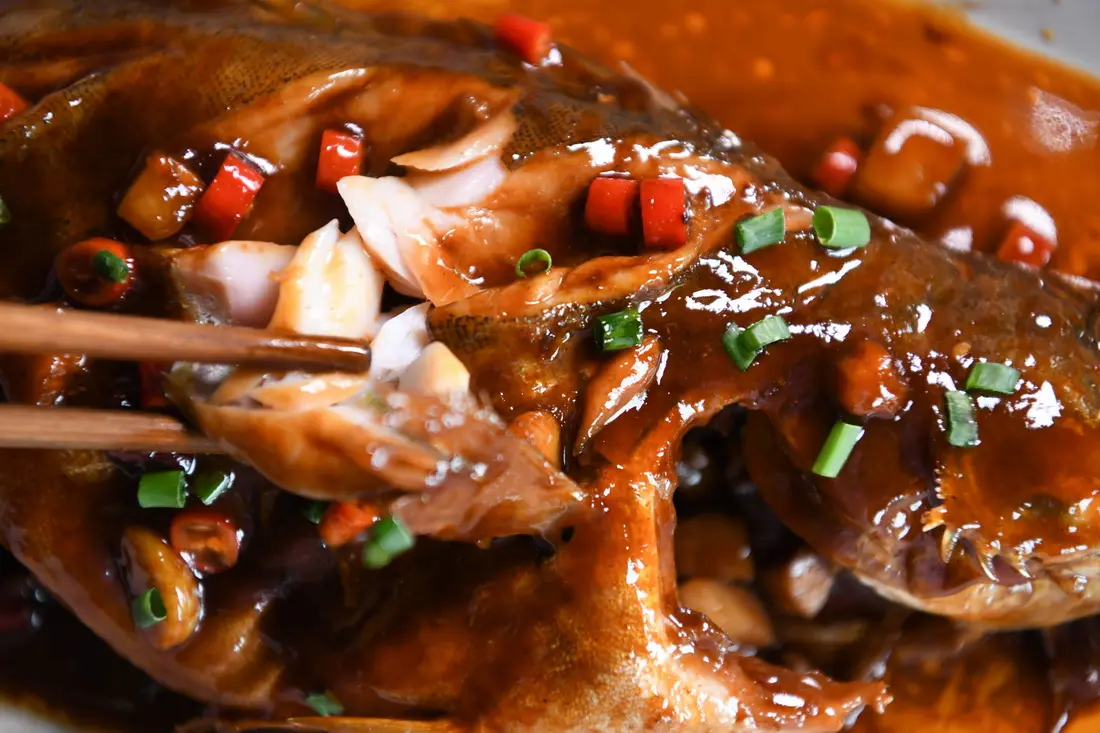
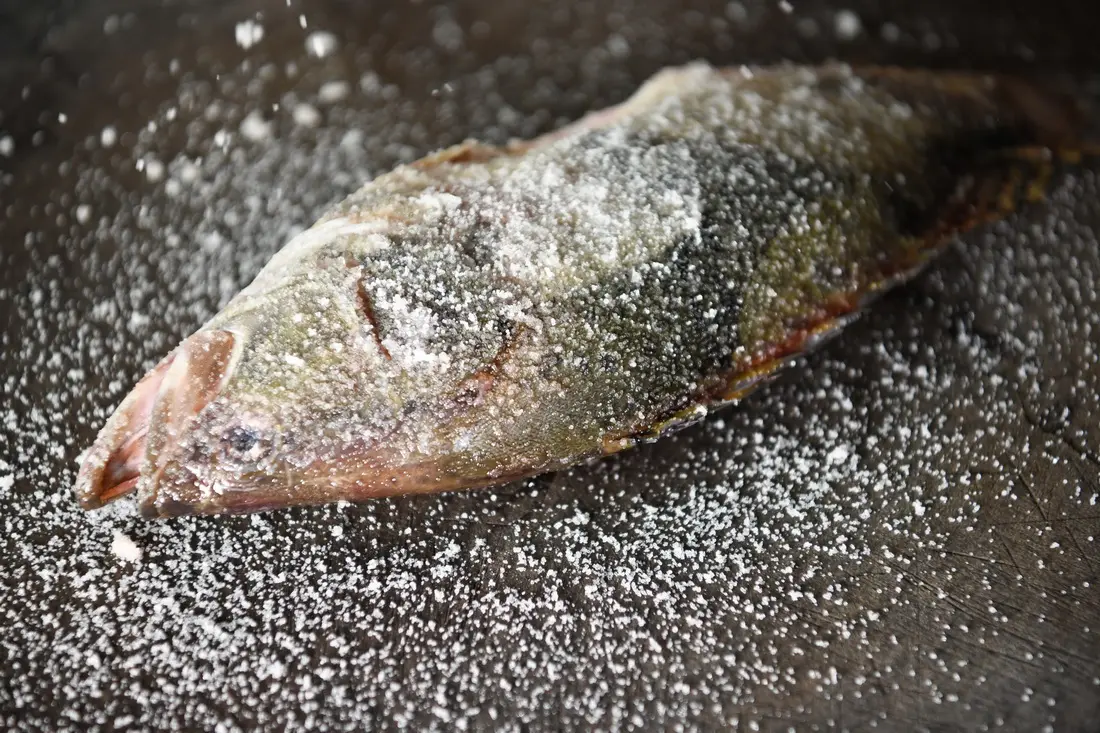
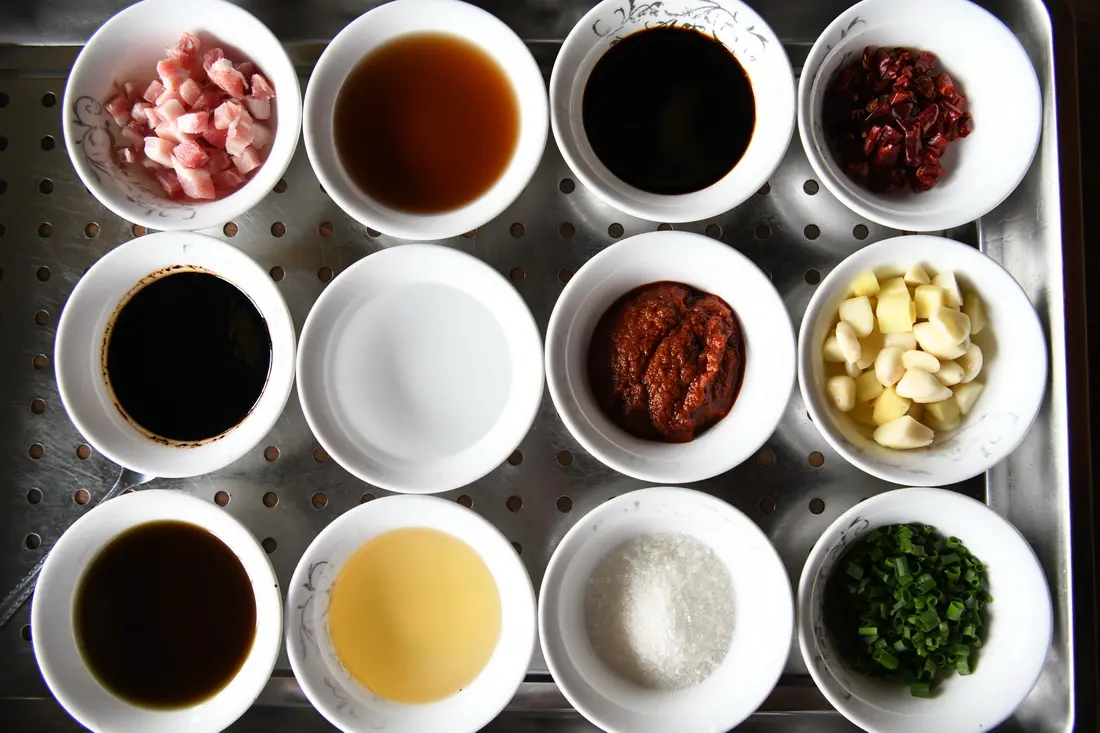
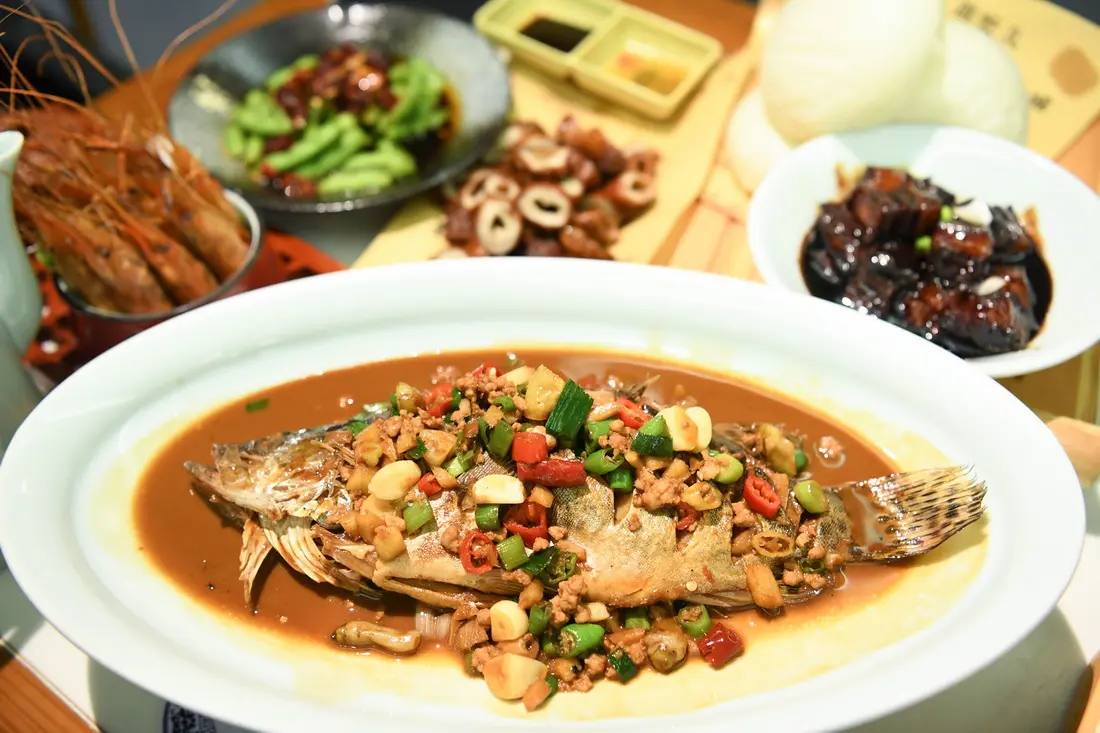
Stinky mandarin fish (臭鳜鱼) is Anhui's most famous — and most divisive — dish. Fresh mandarin fish is packed in salt and left to ferment for several days until it develops a strong, almost cheese-like aroma. Then it's braised with soy sauce, rock sugar, and aromatics until the fermented funk mellows into a deep, savory richness that's completely unlike fresh fish. The fermentation process is similar to what happens when you age cheese or cure ham — proteins break down into amino acids (umami), and the aroma compounds become more complex. I've eaten stinky mandarin fish once, at a specialty restaurant in Hong Kong, and it was simultaneously the strangest and most compelling fish dish I've ever had. The smell when the clay pot arrived at the table was alarming. The taste, 30 seconds later, was extraordinary.
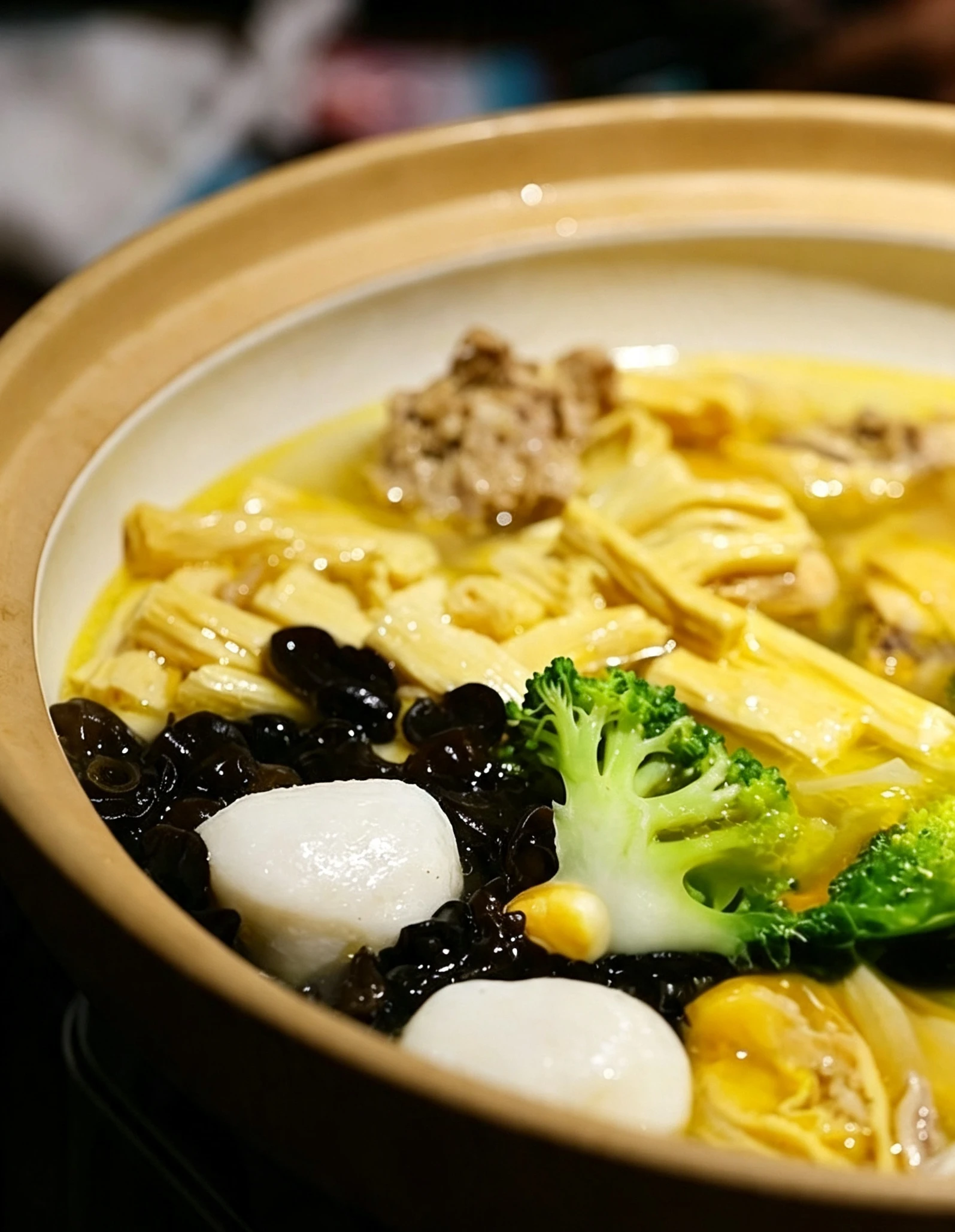
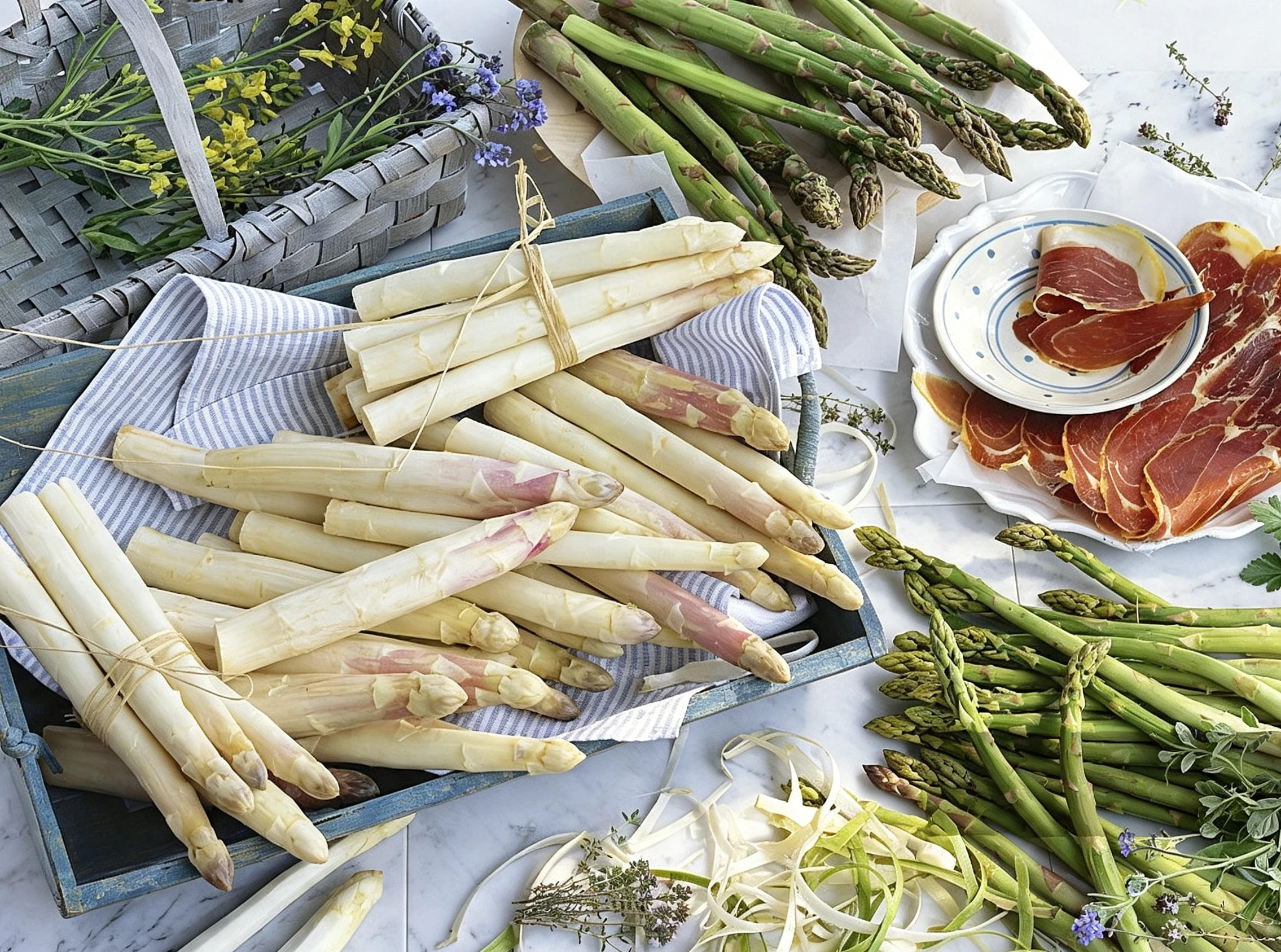
The practical home version of Anhui cooking is braising — long, slow, with cured ham and rock sugar as the flavor foundation. Anhui-style braised pork uses the province's distinctive cured ham, which is saltier and drier than the sweet-cured hams of Jiangsu or Yunnan. The ham is simmered with pork belly, bamboo shoots, and rock sugar for hours until the fat is translucent and the lean meat separates at the touch of a chopstick. I've made a simplified version with regular prosciutto end-bits (the parts too small to slice), which have a similar salty-umami profile to Anhui ham. It's not authentic, but it's close enough that my Cantonese mother-in-law asked for the recipe.
The Flavor Logic
Anhui's mountainous terrain meant limited arable land, limited access to fresh ingredients year-round, and a cooking tradition built on preservation and foraging. Wild herbs (the province is famous for its medicinal and culinary herbs), wild mushrooms, bamboo shoots, and wild game are foundational ingredients. Cured ham, pickled vegetables, and fermented bean curd are the preservation-based flavor components. Long braising is the primary cooking technique because it extracts maximum flavor from tough, wild ingredients and preserved foods that need time to rehydrate and integrate.
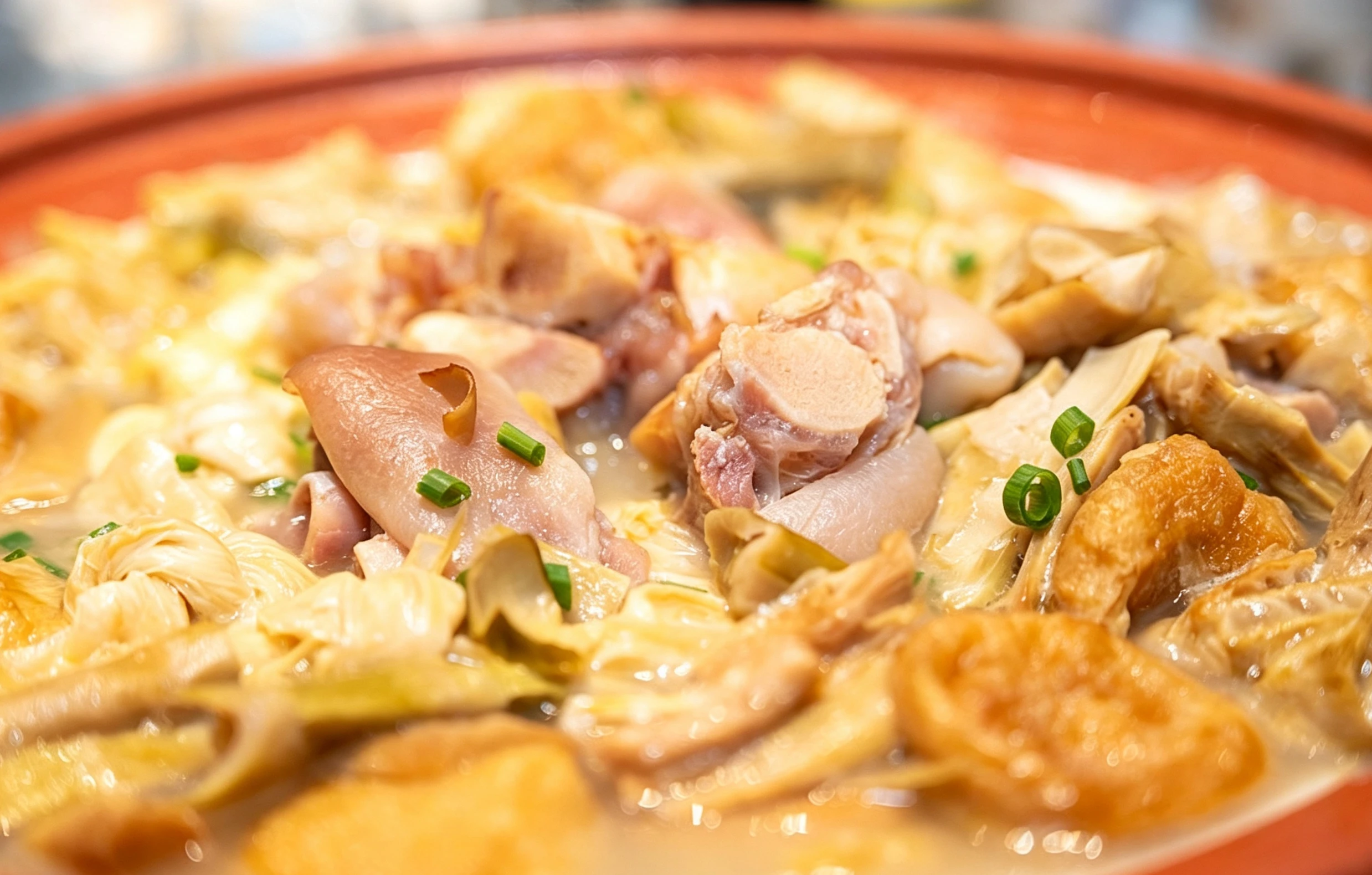
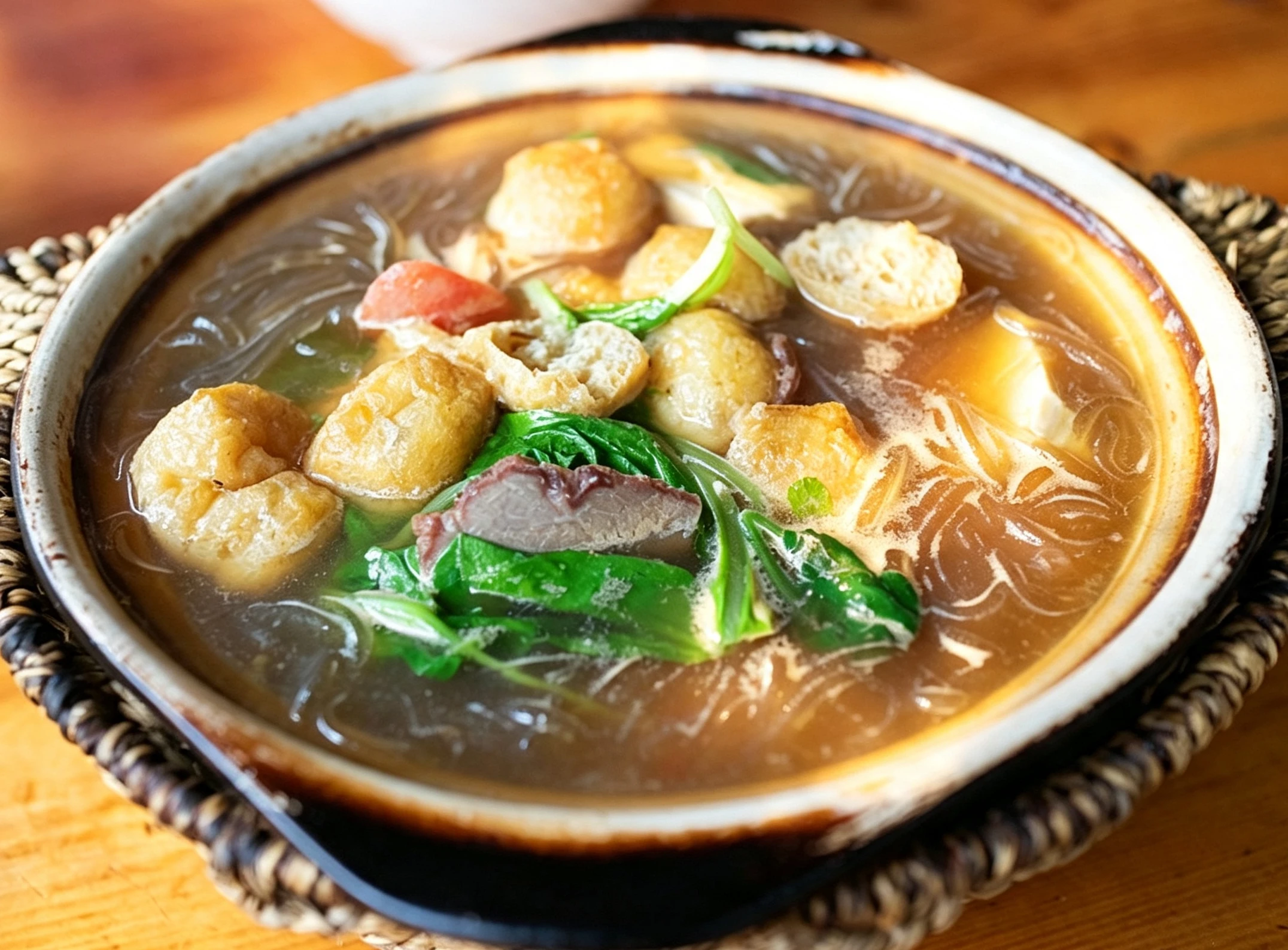
The flavor profile is salt-forward (from the cured ham), umami-deep (from the long braising and fermented ingredients), with a slight sweetness from rock sugar that rounds out the salt and makes the richness more palatable.
FAQ
Q: Can I find Anhui-style cured ham outside of China? Not easily. The closest Western equivalent is a dry-cured country ham — American country ham, Italian prosciutto di Parma, or Spanish jamón serrano — all of which share Anhui ham's salty, concentrated, umami-forward flavor profile. Italian prosciutto end-bits (sold cheaply at specialty stores) are the most practical substitute I've found. An ounce of chopped prosciutto end-bits adds the same salty-umami foundation to a braise that Anhui ham would.
Q: Is Anhui food spicy? No. Anhui cuisine uses essentially no chili heat. The intensity comes from salt, umami, and fermentation, not from capsaicin. It's bold in a completely different way from Sichuan or Hunan food — savory intensity rather than chili intensity.
理论基础 / The Science Behind It
Anhui cuisine's wild herbs and slow-braising reflect the food system of a mountainous, resourceful region.
Understanding Anhui cuisine adds depth to your food domain knowledge of China's diverse culinary landscape.
Continue Exploring
Written by Mike Sang
Digital strategist, fermentation science enthusiast, and student of the Tao. Bridging growth engineering with ancient Chinese food wisdom.
Seasonal Context
Flavor changes with the season. Your cooking should too.
Missing Umami is part of The Way of Nature, a living system connecting food, timing, and seasonal practice.